Milk Tea Menu Design: How Chains Decide What Stays and What Changes
Key facts
More than 40 Chinese bubble tea brands now run stores outside mainland China, part of a global expansion that has moved well past the handful of household names most Gulf readers would recognize. Trackers differ on the exact count: business outlet 36Kr put the figure at 44 brands and close to 15,000 combined overseas stores as of mid-2026, while other Chinese industry reporting this month puts the total closer to 10,000, depending on methodology and which brands are counted. Every recent estimate agrees on the direction, a shift from a handful of pioneers to a broad, multi-brand wave. Mixue Bingcheng alone runs more than 4,400 stores across 13 countries, including over 2,600 in Indonesia and more than 1,300 in Vietnam, and plans 1,100 additional overseas openings this year. Chagee, a smaller but fast-growing premium chain, posted 370 million yuan in overseas gross merchandise value last quarter from 345 stores outside China.
Behind that storefront count sits a less visible shift. Guangxi Zhuang Autonomous Region, in southern China bordering Vietnam, has built itself into a raw material and logistics backbone for the industry's overseas push. Guangxi's tea sector produces roughly 140,000 tonnes a year, with an industrial chain valued above 70 billion yuan, about 10.2 billion dollars, and its ports handled 16,000 tonnes of tea trade in 2025, more than any other Chinese region, according to state news agency Xinhua.
What it means across the Gulf
None of the largest Chinese chains behind those numbers, Mixue, Chagee, Heytea or Nayuki, currently run stores anywhere in the Gulf. Their overseas expansion has concentrated first on Southeast Asia, where more than 60 Chinese milk tea brands already operated over 6,100 stores by the end of 2024, and then, as that region has grown crowded, on the United States and South Korea. That leaves the GCC as one of the few sizeable, tea-drinking markets these brands have not yet entered at scale, even as the industry as a whole keeps demonstrating it can move fast once a market opens.
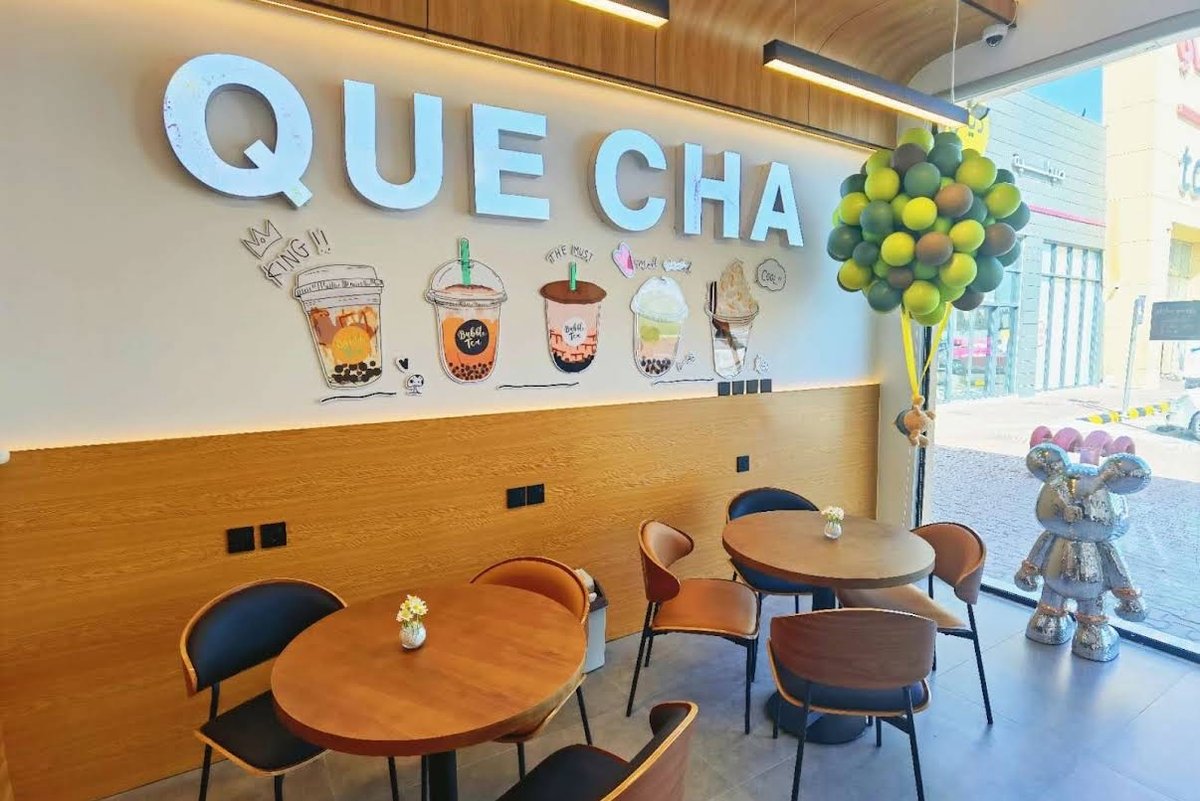
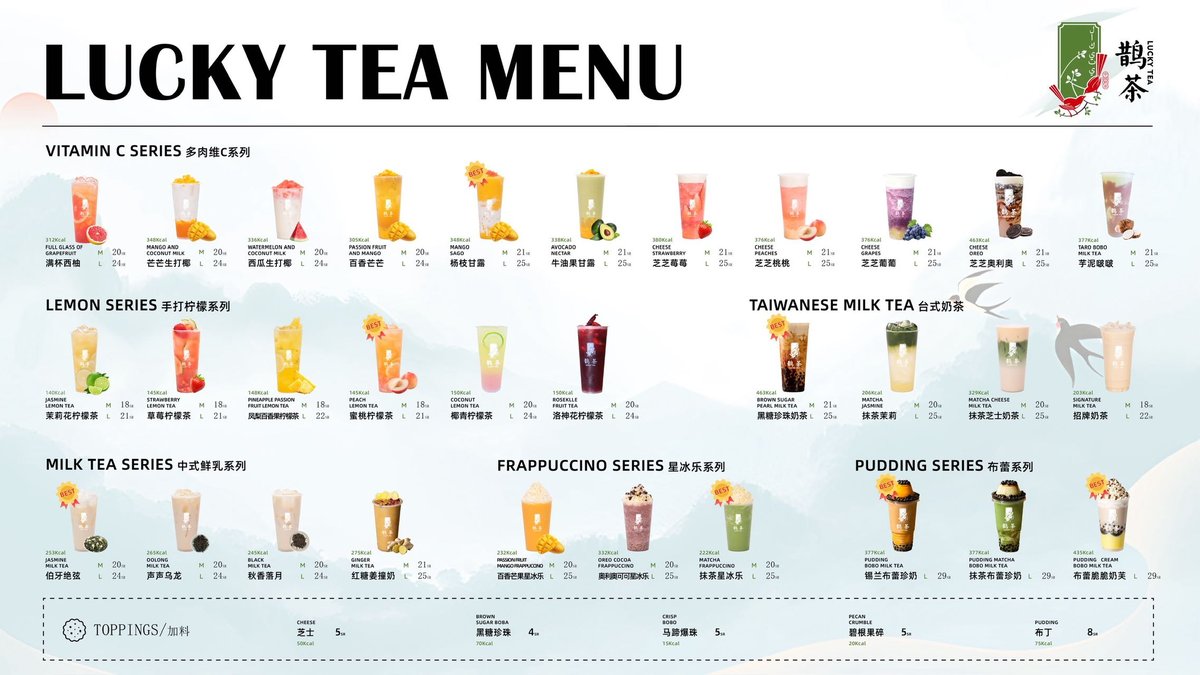
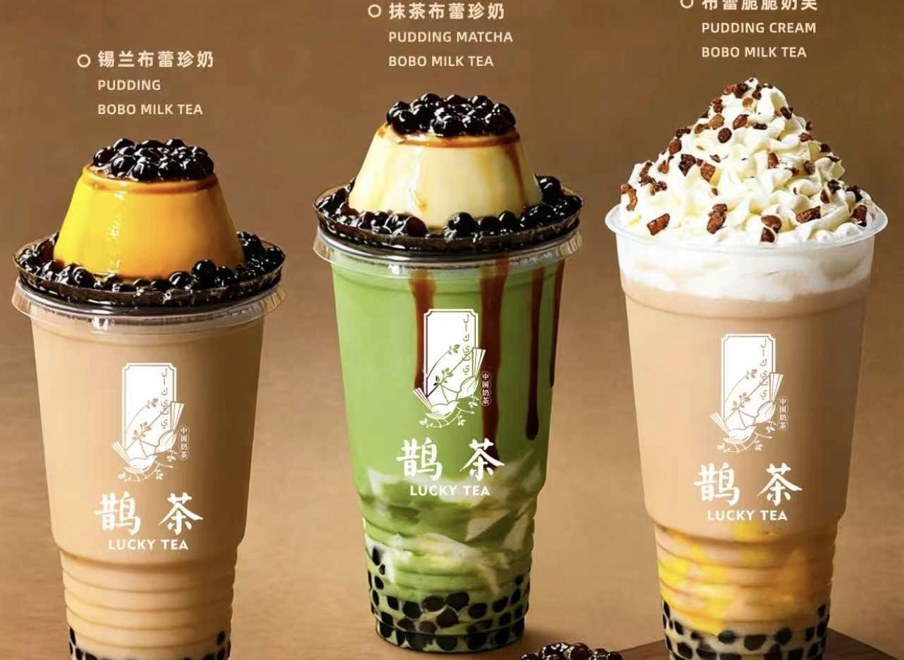
Saudi-founded tea brands drawing on the same Chinese tea heritage, including Lucky Tea's three stores in Riyadh, sit at a far smaller scale than the chains above, but they are part of the same cultural current, Chinese-style milk tea becoming a genuinely global category rather than a China-only or Southeast Asia-only one. For Gulf food and beverage operators and franchise partners watching this space, the practical question raised by Guangxi's build-out is less about any single brand's plans and more about infrastructure. A supply chain now capable of provisioning close to 10,000 stores across more than a dozen countries is also a supply chain that could provision a Gulf rollout relatively quickly, once a brand decides the market is ready.
Background
Guangxi's rise as a tea and beverage supply hub did not happen by accident. The region borders Vietnam and sits closer than any other Chinese province to the Southeast Asian markets where the current wave of overseas expansion began. Its own agricultural base, tea, tropical fruit, dairy and taro among them, supplies raw ingredients the new-style tea industry depends on, while the city of Hengzhou alone supplies more than 60 percent of the world's jasmine flowers and over 80 percent of China's, feeding jasmine tea bases used well beyond Guangxi's own borders.
That regional advantage has taken on new weight as brands look past Southeast Asia for growth. Chinese entrants there have crowded the market enough that chains including Chagee and Heytea have opened stores in South Korea and the United States over the past year rather than adding further Southeast Asian locations, per Vietnamese business outlet VnExpress. A supply chain built to serve one region efficiently only helps a brand if it can also serve the next one, which is the specific problem Guangxi's ports, warehouses and growers are now positioned to solve as the industry's overseas map keeps widening.
Takeaway
The headline number, more than 40 Chinese tea brands and stores in the thousands abroad, matters less on its own than what sits underneath it. This is no longer three or four flagship chains testing a handful of overseas cities, it is an industry-wide movement with a supply chain, in Guangxi, purpose-built to support it at scale. For a Gulf market that has so far watched this wave from the outside, the relevant signal is not that a specific brand is coming next. It is that the infrastructure behind this expansion is now mature enough to reach a new region quickly once a brand chooses to, which is exactly the kind of groundwork that tends to go unnoticed until the first store opens.
Sources
- 36Kr · 44 Brands and 15,000 Stores: How Long Will the Dividend Window for Chinese Tea Brands' Global Expansion Last? · June 16, 2026
- Xinhua · China's Guangxi Emerges as Global Hub for Tea Industry Amid Tech Upgrade · May 25, 2026
- VnExpress International · Chinese Milk Tea Brands Expand in US, South Korea as Southeast Asia Grows Crowded · April 12, 2026