Milk Tea Menu Design: How Chains Decide What Stays and What Changes
Key facts
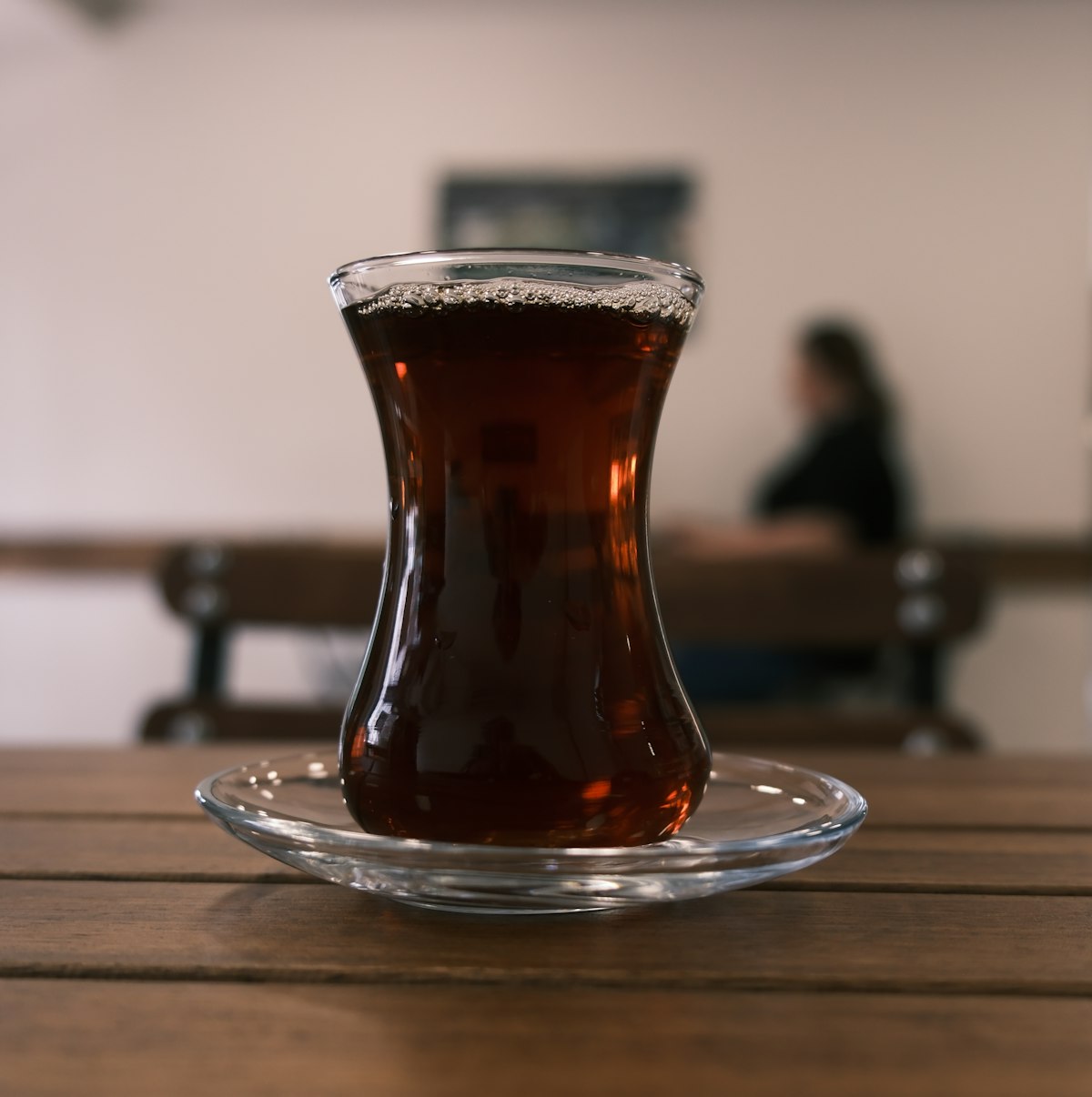
A price survey of Cairo cafes published by the Egyptian outlet Masrawy on 17 September found that the same cup of tea can cost 6 to 15 Egyptian pounds at a neighborhood ahwa and 85 to 110 pounds at an international chain or upscale cafe, a gap of roughly seven to eight times for what is, ingredient for ingredient, the same drink. The spread is not new to Cairo tea culture, but the survey put numbers on it in one place for the first time.
- Popular cafes such as Al-Habsa serve tea with a glass of tap water for around 10 pounds, and some basic "qahwa baladi" spots charge as little as 6 pounds.
- Heritage cafes in older districts average about 32.5 pounds a cup.
- Mid-range commercial cafes, including some in Zamalek, charge 50 to 70 pounds.
- International chains and premium cafes reach 85 to 110 pounds, especially for tea served in large glasses or iced.
- Dr. Hazem Hassanein of the Egyptian Society of Political Economy told Masrawy the gap reflects "differential pricing" for the seating experience and service, not the tea leaves. A kilogram of good tea, costing around 200 pounds wholesale, yields about 450 cups, putting the raw ingredient cost per cup at only a few pounds.
What it means for Cairo
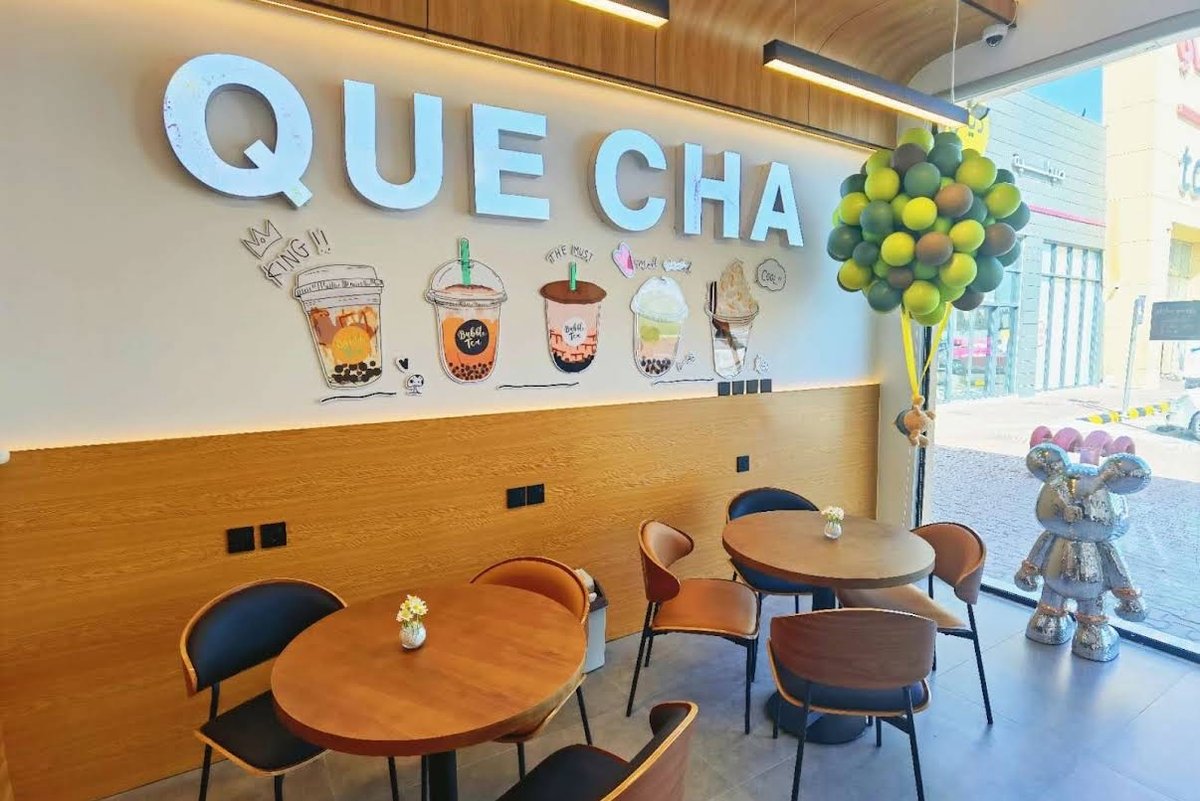
The price ladder maps onto two economies that have run side by side in Cairo for generations and are now pulling further apart. The traditional ahwa, a street corner coffeehouse serving Turkish coffee, tea and shisha over backgammon and conversation, still anchors neighborhoods such as Sayyida Zeinab, Imbaba, Shubra, Al Azhar, Bab Al Shariya and Abbasia, where a cup of tea is priced for a daily habit, not a destination outing. Alongside it, a specialty wave in districts such as Zamalek and Maadi pours single origin espresso, seasonal drink menus and imported or iced tea for customers who treat the cafe itself, its design, its wifi, its presence on social media, as part of what they are paying for.
Egypt is one of the fastest growing cafe markets in the Middle East and North Africa by outlet count, and consumption has roughly doubled over the past five years as a younger, middle class customer base that has traveled or studied abroad brings specialty coffee expectations home. For that segment, a 100 pound drink is not an inflated cup of tea, it is a different product: seating, branding and consistency sold alongside the drink. For ahwa regulars, the 10 pound cup remains the anchor price, and owners of popular cafes describe margins that depend on volume, not on charging what a Zamalek storefront can.
Background
The price question has been building for months. Egyptian Streets reported in June that prices for coffee, tea and cocoa rose 6.5 percent year on year, driven by currency swings that raise the cost of imported beans and milk, along with higher rent, labor and utility costs for cafe operators. The same reporting found customers increasingly frustrated less by the prices themselves than by surprise add on charges, such as a 50 pound surcharge some cafes apply for alternative milk, stacked on top of an already premium base price.
The specialty side of the market now has real infrastructure behind it, not just demand. Trade coverage from Perfect Daily Grind reports that the Middle East and North Africa's branded coffee shop sector passed 11,160 outlets in 2025 and is projected to approach 16,460 by late 2029, with Egypt among the fastest growing markets in the region. Cairo based roaster Brown Nose Coffee has described the shift in generational terms: customers under 35 increasingly treat where they drink coffee as a lifestyle signal rather than a commodity purchase, and design, limited drops and signature drinks now drive both traffic and pricing power.
Takeaway
The 10 pound and 110 pound cups of tea are not really the same purchase, even though the tea inside them is nearly identical. One buys a daily habit, the other buys an experience, and both markets are growing at the same time rather than one replacing the other. For a regional tea and cafe industry watching Egypt as one of its fastest expanding markets, the lesson is that pricing power in Cairo increasingly comes from what surrounds the cup, not the leaves inside it.
Sources
- Masrawy · A journey through Cairo's cafes: why do we pay 110 pounds for a cup of tea worth only 10 · 17 September 2026
- Abu Al-Hol News · Cairo cafes and their prices: why does a cup of tea reach 110 pounds versus 10 · 17 September 2026
- Egyptian Streets · Why Coffee Prices Are Becoming a Daily Conversation in Egypt · 21 June 2026
- Perfect Daily Grind · Why North Africa Is One of the Most Exciting Regions for Specialty Coffee · 22 April 2026