Milk Tea Menu Design: How Chains Decide What Stays and What Changes
Key facts
The Middle East ready-to-drink tea market, bottled and canned tea sold chilled off a shelf rather than brewed to order, was worth 227.43 million dollars in 2026, up from 208.84 million dollars in 2025, and is forecast to reach 348.31 million dollars by 2031, growing at 8.9 percent a year, according to a Mordor Intelligence report updated in January 2026.
Saudi Arabia holds 55.3 percent of the region's RTD tea revenue as of 2025, by far the largest single market, while Qatar is growing fastest, at an 11.55 percent annual rate through 2031. The United Arab Emirates functions as a secondary hub, both a consumer market in its own right and a re-export point for tea products moving on to other Gulf countries.
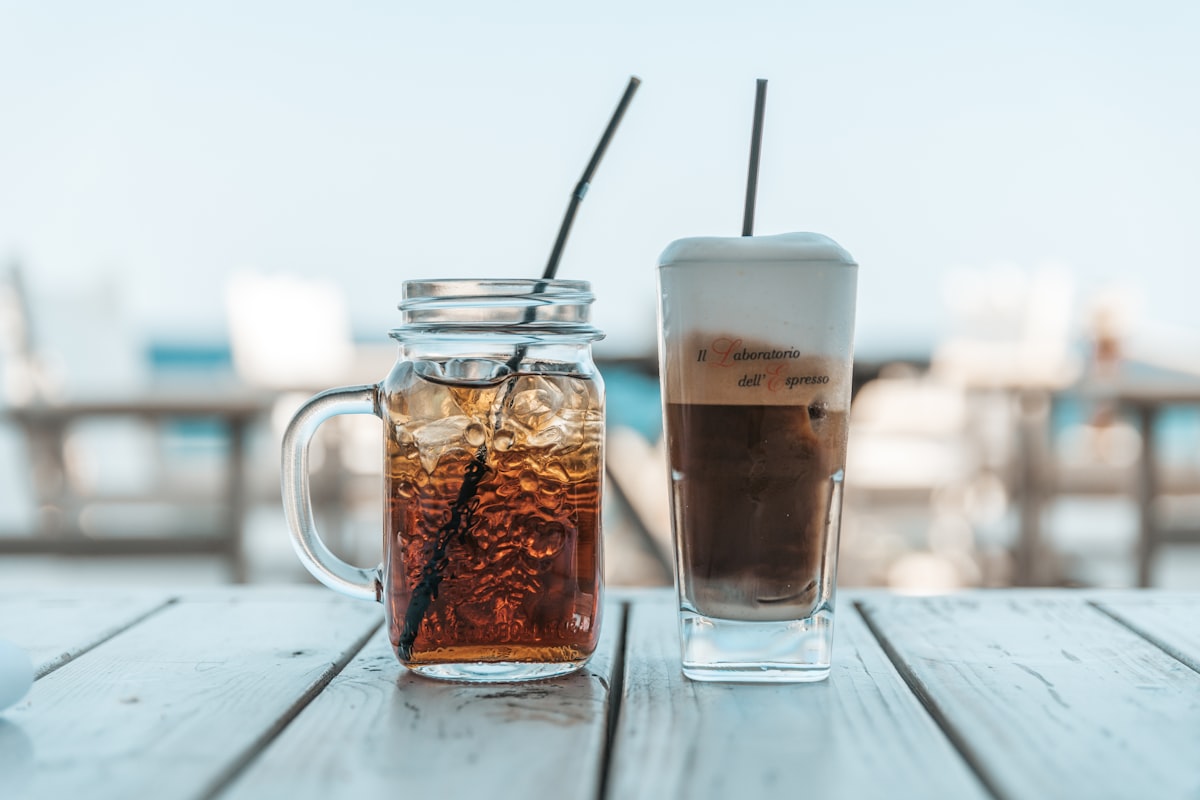
Iced tea remains the leading product type, holding 47.62 percent of regional volume in 2025, while herbal tea is the fastest-growing type at 10.89 percent a year. Packaging is shifting too. Plastic PET bottles still hold 56.89 percent of category revenue, but aseptic cartons are growing faster, at 10.52 percent a year, and premium organic or functional variants, often priced 30 to 50 percent above standard lines, are expanding at 12.05 percent annually.
Zoomed out, the wider Gulf Cooperation Council ready-to-drink beverage market, tea alongside coffee, carbonated drinks and functional drinks, was valued at 1.05 billion dollars in 2026 and is projected to reach 2.95 billion dollars by 2034, a 13.8 percent annual growth rate, according to a separate report from The Report Cubes that cites urbanization, more than 65 percent of the GCC population lives in cities, and rising demand for functional, vitamin and electrolyte-enriched drinks as key drivers.
What it means across the Gulf
Most of that growth is happening off a shelf, not across a counter. Off-trade channels, supermarkets, hypermarkets, convenience stores and online retail, account for 61.95 percent of regional RTD tea volume, sold largely through chains such as Lulu, Carrefour and Panda, and increasingly through quick-commerce apps that promise chilled bottles delivered within 30 minutes. Petrol station coolers in Riyadh, Dubai and Abu Dhabi have become a routine stop for commuters grabbing a single-serve iced tea on the way to work.
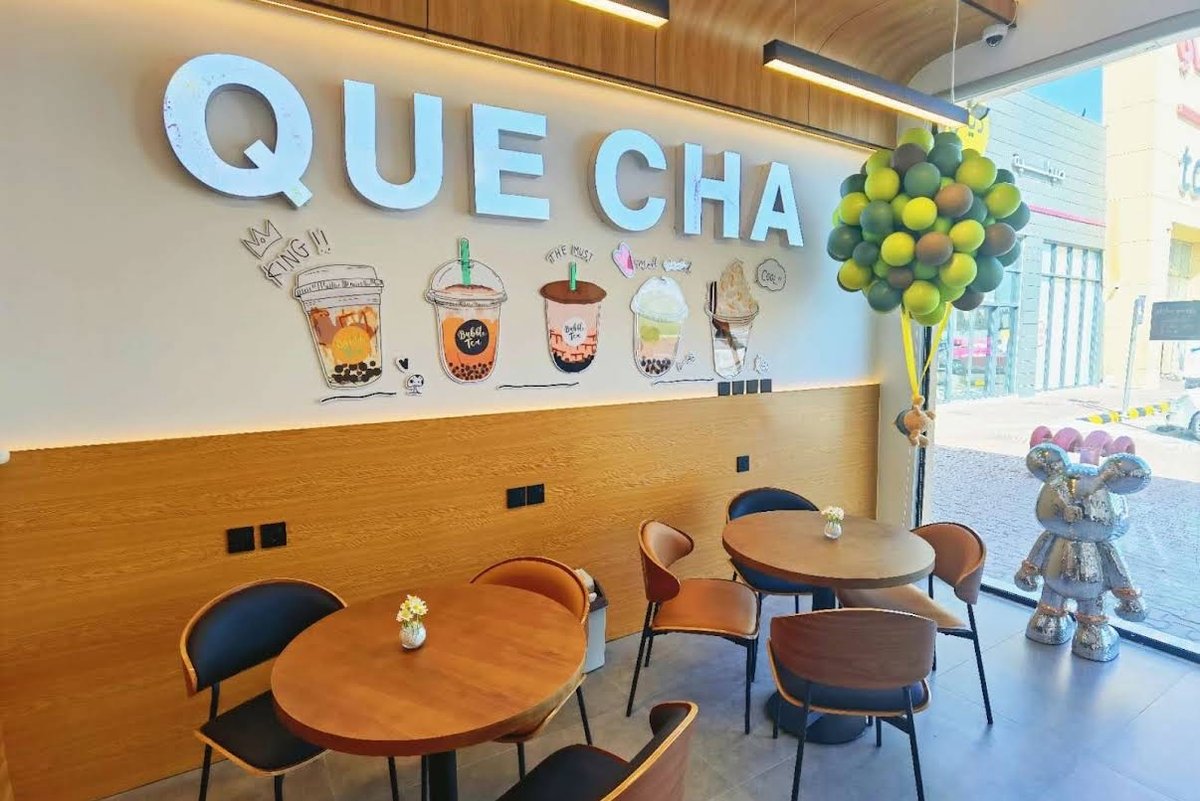
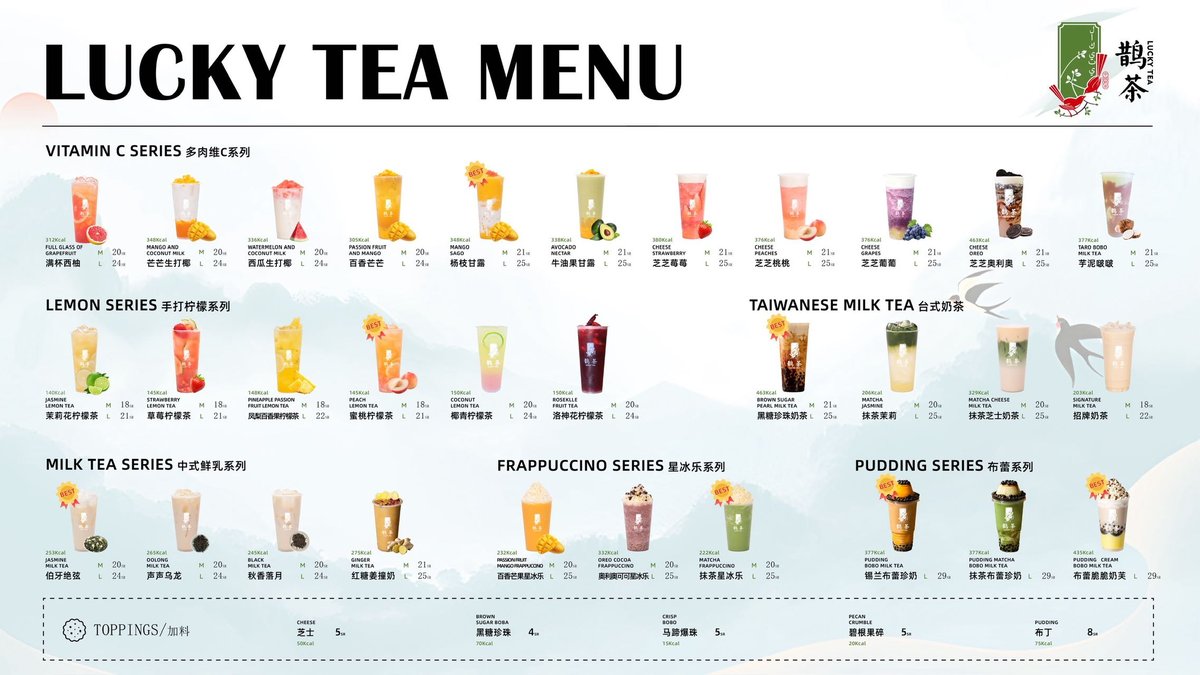
The on-trade channel, tea served chilled in cafes, restaurants and hotels, is smaller but growing faster, at 12.54 percent a year, a sign that bottled tea is not simply pulling customers away from cafes. The two behave more like adjacent categories serving different moments: one built around convenience and price, the other around a made-to-order cup and a place to sit. For Saudi-founded tea brands such as Lucky Tea, based in Riyadh, that distinction is worth tracking. This market data covers the retail shelf, not the fresh-brewed counter, and the report itself flags a real headwind for bottled tea specifically: traditional hot tea culture, karak tea and Arabic coffee rituals central to social gatherings and Ramadan iftars, remains deeply rooted in Saudi Arabia and the UAE, and more than 11,000 specialty coffee locations across the region compete for the same discretionary spending.
Background
Regulation is nudging the category toward less sugar. Saudi Arabia's Zakat, Tax and Customs Authority replaced a flat 50 percent excise duty on sweetened drinks with a four-tier system based on sugar content per 100 milliliters, effective January 1, 2026, covering ready-to-drink beverages along with concentrates, powders, gels and extracts. The lowest tiers carry zero tax, while the highest, 8 grams of sugar or more per 100 milliliters, is taxed at 1.09 Saudi riyals a litre. Around the same period, Saudi Arabia's caffeine-labeling mandate, in force since July 2025, and the UAE's Nutri-Mark front-of-pack nutrition label, launched in June 2025, have pushed manufacturers toward lower-sugar recipes across the wider Gulf.
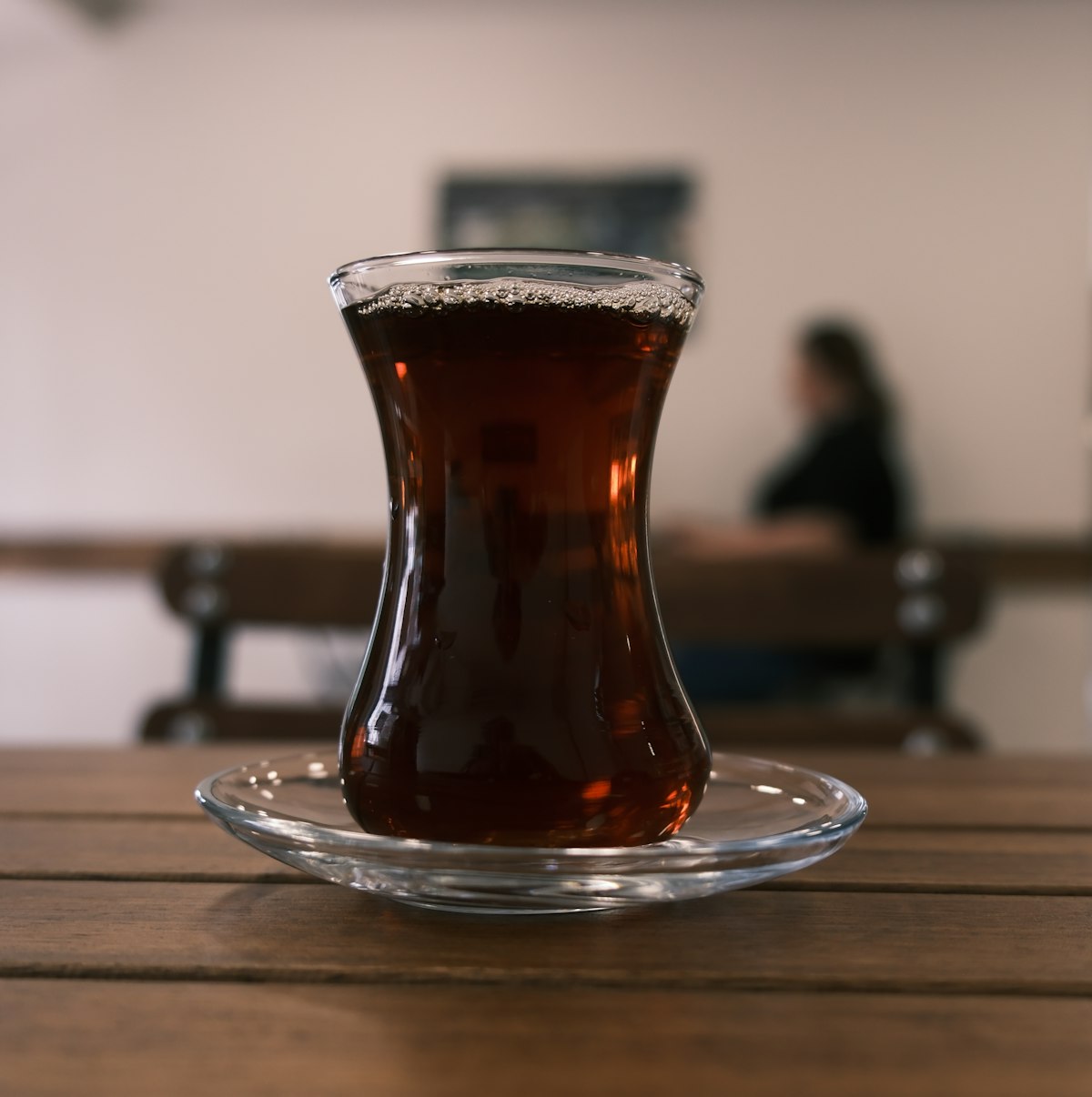
None of this is unfolding against a blank cultural backdrop. Hot tea, whether Saudi karak or the Arabic coffee served alongside dates at a majlis, is a social ritual as much as a beverage choice, and that habit is a genuine constraint on how quickly a bottled, chilled product can take its place. The RTD category's growth, in other words, looks less like a replacement for tradition and more like a new occasion, a commute, a hot afternoon, a quick stop at the till, being added alongside it.
Takeaway
The numbers point to a Gulf RTD tea market growing steadily rather than explosively, led by Saudi Arabia's scale, pushed forward by Qatar's growth rate, and reshaped by sugar-content rules taking effect on both sides of the Gulf in 2026. It remains a retail-shelf story more than a cafe-counter one, which means the fresh-brewed tea business across the region is, for now, competing on a different set of terms: taste made to order, not a formula fixed at the bottling plant.