China's Bubble Tea Industry Slowdown Sparks a Hunt for New Categories
Key facts
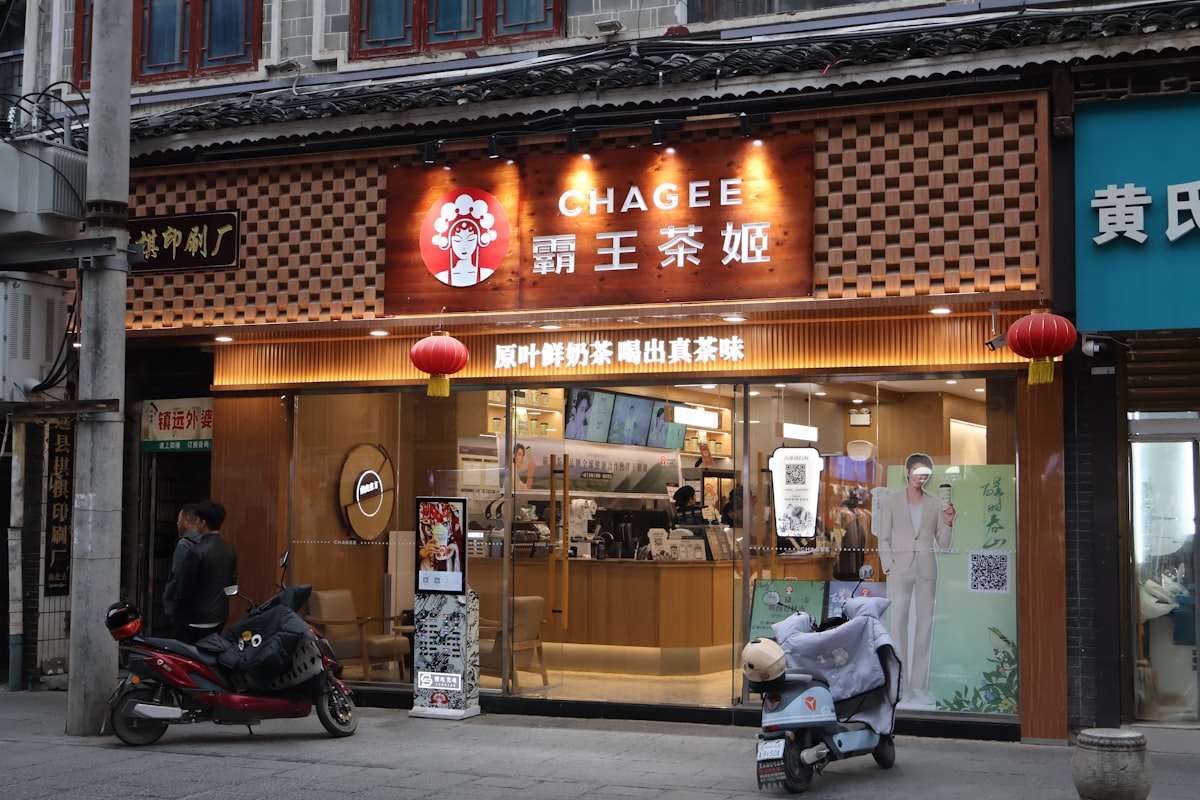
China's biggest bubble tea chains posted first-half 2026 results this week, and the numbers point to an industry that can no longer grow on store openings alone, a shift that is quietly pushing sugar content and healthier bubble tea formats into the spotlight. Mixue Group, whose ice cream and tea format underpins much of the sourcing and franchising behind Chinese-style milk tea worldwide, reported revenue up 2.3 percent to 15.2 billion yuan for the six months to June, while net profit fell 14.5 percent to 2.3 billion yuan as marketing and administrative spending outran sales and gross margin slipped to 30.4 percent from 31.6 percent a year earlier. Guming, which reported the same week, showed a similar split: revenue rose 31.9 percent to 7.47 billion yuan and adjusted profit climbed 44.4 percent, but headline net profit fell 3.6 percent once one-off fair value gains booked a year earlier dropped out of the comparison.
Neither chain is struggling, and both are still opening stores by the thousands. But revenue outpacing headline profit at two of the category's largest players signals that store-count growth alone no longer guarantees margin, and it is nudging chains toward competing on ingredient quality rather than volume. For a category built on very sweet drinks, how sugar is measured, disclosed and customized is one of the more visible places that shift shows up.
What it means across the Gulf
Two separate rules already put sugar in front of Gulf customers before they order. Since January 1, 2026, Saudi Arabia and the UAE have taxed sweetened drinks on a four-tier, sugar-content basis rather than a flat 50 percent charge, following a methodology adopted by the GCC's Financial and Economic Cooperation Committee: drinks sweetened only with non-caloric sweeteners are exempt, low-sugar drinks under 5 grams per 100 milliliters sit in the lowest taxed tier, and the tax climbs as sugar content rises. Separately, since July 1, 2025, Saudi cafes and restaurants have had to post calorie counts, flag high-sodium items and disclose caffeine content on every menu, physical or digital, under a Saudi Food and Drug Authority rule meant to help customers make more informed choices.
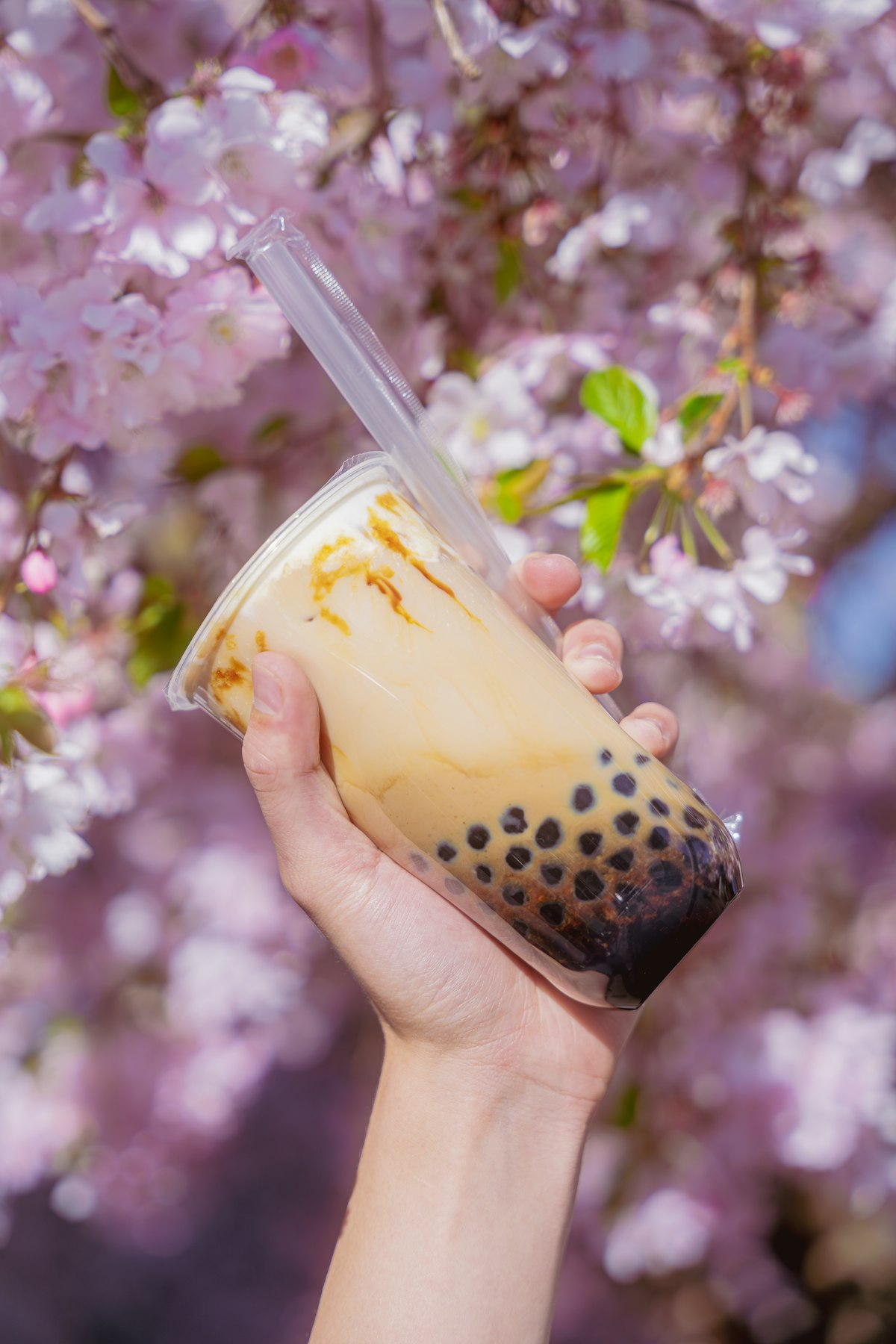
Neither rule regulates the sweetness dial a barista turns when a customer asks for 50 percent sugar, which is a shop-level convention, not a government standard. One shop's 100 percent is another shop's 70 percent, since each calibrates its own baseline syrup recipe differently, so a regular customer switching shops cannot assume the same number means the same drink. The percentage also usually applies only to the added sugar syrup, not the whole cup. Tapioca pearls, brown sugar drizzle and sweetened foam toppings are typically prepared with their own sugar separately, and keep contributing sugar even when the base is ordered at zero percent.
Background
The sweetness dial itself, usually offered in steps such as zero, 25, 50, 75 and 100 percent, grew out of Taiwanese tea shop culture and has since become close to a global standard across Chinese-style milk tea chains, including in Riyadh. It works because sweetness comes from two sources that can be adjusted independently. The tea base, brewed from black, oolong or green leaves, carries its own natural bitterness and a small amount of inherent flavor depending on how it is steeped. Sugar syrup, usually a simple syrup or brown sugar syrup added after brewing, is what the percentage dial actually controls. A strongly brewed, high-quality tea base can taste satisfying at 25 or 50 percent sugar because the tea is doing more of the flavor work, while a weaker or more diluted base often needs more added syrup to taste balanced, which is one reason tea quality and sweetness level are connected rather than separate questions.
That connection is where the earnings story and the health story meet. As Mixue's and Guming's results show, growth from opening more stores is producing thinner or more uneven profit than in past years, and several larger Chinese chains have responded by pushing into coffee lines, fresh fruit formats and other products positioned as more premium or better for you, rather than relying on high-sugar milk tea alone. A market maturing this way tends to compete harder on the things a customer can taste and measure, tea quality and sugar content among them, rather than purely on how many new storefronts open.
Takeaway
China's tea chains are still growing, just not as cleanly as before, and that pressure is a real reason product and sugar quality are getting more attention this year. In the Gulf, that overlaps with two homegrown rules, a sugar-tiered drinks tax and mandatory calorie disclosure on menus, that already put sugar in front of customers before they order. The practical takeaway is simple: the sweetness percentage controls the added syrup, not the whole drink, it is not standardized between shops, and a better tea base can mean a satisfying cup at a lower number.
Sources
- Bamboo Works · Mixue's profit falls under the weight of rising costs · August 27, 2026
- TradingView / Quartr · Guming: Revenue up 31.9 percent and adjusted profit up 44.4 percent YoY, net profit down 3.6 percent on one-off items · August 26, 2026
- Arab News · Saudi Arabia links sweetened beverage tax to sugar content · December 30, 2025
- Gulf News · Saudi Arabia enforces new menu rules to flag salt, caffeine and calorie burn · July 2, 2025