Saudi School Year 2026 Opens Today, Resetting Riyadh's Morning Rhythm
Key facts
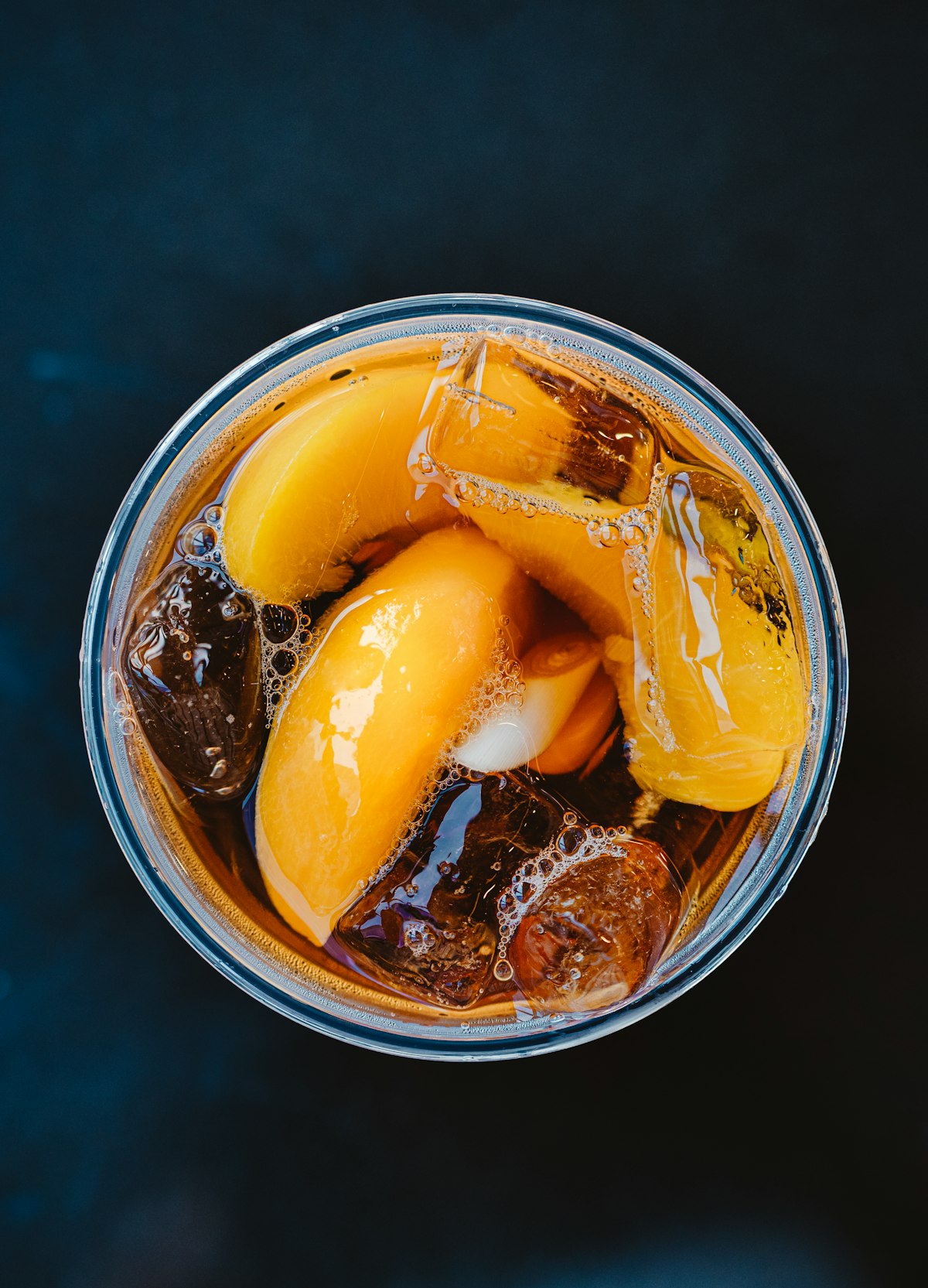
Fresh fruit tea sits apart from a plain iced tea or a milk tea: it pairs a brewed tea base with cut or muddled fruit, then weighs sweetness against the fruit's own acidity rather than leaning on syrup alone. Get that balance right and a fresh fruit tea recipe reads as light and genuinely refreshing even in serious heat. Get it wrong and the drink tastes either flat and sugary or thin and sour. Three variables do most of the work: which fruit goes in, which tea forms the base, and how sweetness is measured against acid.
The tea side draws on a handful of broad categories built on the same Camellia sinensis leaf, distinguished mainly by how much they are oxidized before drying, according to a specialty-tea primer from trade publication Perfect Daily Grind. Green and white teas sit at the lightly oxidized end and read as delicate, sometimes naturally fruity or floral. Oolong spans a wide oxidation range in between. Black tea is oxidized the most and carries the deepest body. That range gives a fruit tea recipe room to match a light tea to a delicate fruit or a stronger tea to a bold one, rather than defaulting to one base for everything.
Extraction technique matters as much as the tea chosen. A 2021 study in the journal Molecules on brewing parameters and Camellia sinensis found that how tea is steeped, at what temperature and for how long, measurably changes how much of the leaf's compounds end up in the cup, with brewing pushed past the optimal window pulling out more of the astringent, bitter tannins that the cited literature associates with over-steeped tea. For a fruit tea, where the goal is a tea base that supports the fruit rather than fighting it, that argues for a controlled, timed brew rather than an open-ended steep.
What it means across the Gulf
The timing gives fruit tea an obvious opening. A heat dome pushed temperatures close to 50 degrees Celsius across Iraq, Kuwait, Saudi Arabia and the UAE in early August, and the intense stretch was expected to last until August 24, the Emirates Astronomy Society's chairman told The National. Saudi Arabia's National Center for Meteorology separately expects August temperatures running as much as 2.5 degrees Celsius above the long-term average, with above-normal readings likely to continue into September and October. Late August, in other words, is not the tail end of the region's hot season. It is still inside it.
That is where a well-built fresh fruit tea recipe earns its place on a Gulf cafe menu, ahead of a heavier, sweeter milk tea. Fruit brings its own acidity, and a tea base gives it structure and a slight tannic edge, so the drink can read as bright and thirst-quenching rather than simply sweet and cold. Cafes across Saudi Arabia and the wider Gulf that get the ratio right, tea concentrate balanced against fruit and a measured amount of sweetener, are serving a drink built for exactly this stretch of the calendar, not just a cold cup that happens to be flavored with fruit.
Background
Building a fresh fruit tea recipe well starts with matching fruit to tea base. Delicate, high-acid fruit such as passion fruit, peach or lychee tends to pair with a lighter tea, a green tea, a white tea or a lightly oxidized oolong, so the tea does not mask the fruit's own aroma. Bolder, sweeter fruit such as mango or mixed berries can carry a stronger tea, a black tea or a more heavily oxidized oolong, without the drink turning one-note sweet. The principle running through both pairings is contrast: the tea should add something the fruit does not already have, body, a light tannic edge, sometimes a floral note, rather than repeating the fruit's own sweetness back at it.
Sweetness and acid balance is the second half of the craft, and it works the way a good vinaigrette does: sugar alone tastes flat, acid alone tastes sharp, and the two together read as balanced at a lower total sweetness than either would need on its own. That matters for a drink meant to be finished quickly in heat, where an oversweet fruit tea reads as heavy rather than refreshing. Muddled or fresh-cut fruit, rather than juice or syrup alone, keeps that acid present through the glass instead of front-loading all the flavor into the first sip.
None of this calls for unusual ingredients, mainly a brewed tea concentrate cooled quickly rather than left to steep past its point, fresh or lightly muddled fruit rather than only juice, and a sweetener added in small, tasted increments rather than one fixed pour. The order and ratio, more than any single exotic addition, is what separates a fresh fruit tea recipe that tastes considered from one that tastes like flavored sugar water.
Takeaway
Fresh fruit tea works as a formula, not a single fixed recipe: pick a fruit, match it to a tea base that contrasts rather than repeats its flavor, brew that base under control rather than by habit, and set sweetness against the fruit's own acid instead of sugar alone. With Gulf temperatures still running hot into the last week of August, that combination gives cafes across the region a drink built for the season, not one that simply happens to be served cold.
Sources
- The National · Middle East braces for heatwave in days ahead as summer season hits peak · August 2, 2026
- Perfect Daily Grind · Do You Know The 6 Different Kinds of Specialty Tea? · July 2017
- Molecules (MDPI) via PMC · Influence of Tea Brewing Parameters on the Antioxidant Potential of Infusions and Extracts Depending on the Degree of Processing of the Leaves of Camellia sinensis · August 6, 2021