Saudi School Year 2026 Opens Today, Resetting Riyadh's Morning Rhythm
Key facts
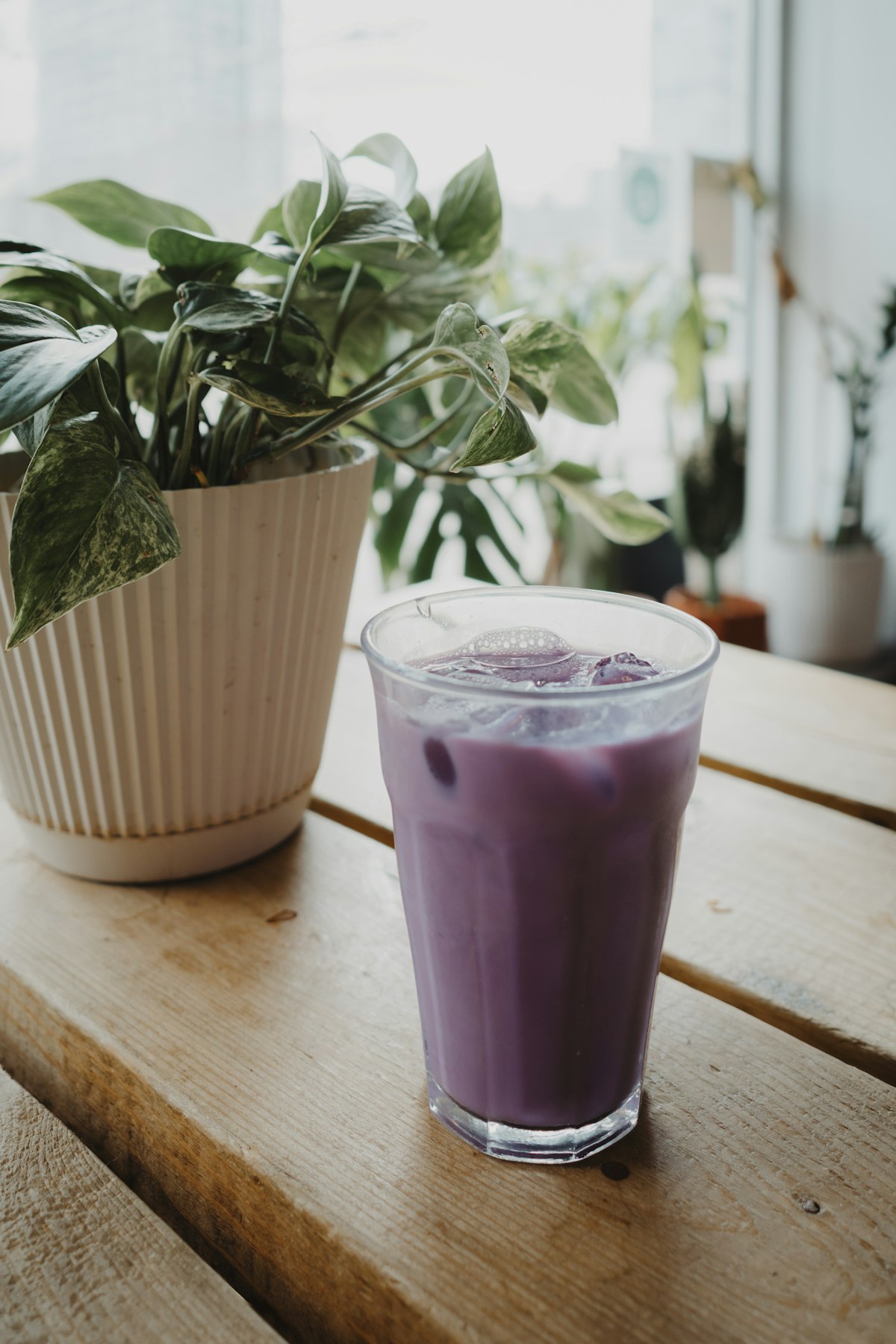
Ube, a bright purple yam grown mainly in the Philippines, is behind a fresh round of the purple milk tea trend that has been building across cafe and bubble tea menus for roughly a year. The latest spark came from Starbucks China, which on August 18, 2026 launched a new tea latte series that included an Iced Ube Flavored Matcha Latte, a drink layered in purple and matcha green. Trade outlet 36Kr reported the drink went viral on Chinese social platforms within days, describing it as the first time ube flavor had broken through in that domestic beverage market, after building momentum for longer in North American and other overseas markets.
The wider trend is not new, but it is still accelerating. Food industry trade publication FoodIngredientsFirst reported in June 2026 that Instagram carried more than 760,000 posts tagged with ube, a volume it linked to steady, measurable growth in social conversation about the ingredient. Ube's appeal rests on more than color: the yam has a mild, nutty, vanilla-tinged sweetness that trade coverage repeatedly distinguishes from the starchier, more muted flavor of taro, the ingredient most often confused with it in purple bubble tea drinks.
What it means for the Gulf market
Bubble tea shops across Saudi Arabia and the wider Gulf already compete on drinks built to photograph well, from rose and saffron blends to layered brown sugar pours, so a naturally vivid purple ingredient fits a pattern regional menus already use rather than asking for a new kind of marketing. What is different is timing. FoodIngredientsFirst's reporting found that roughly a quarter of consumers surveyed said they were interested in trying ube, while only about 7 percent of foodservice operators were currently offering or experimenting with it. That gap suggests Gulf operators who add a genuine ube drink now, rather than waiting for it to become a standard menu line, have a window to stand out before the category fills in.
The caution sits in execution, not appetite. Ube's flavor is distinct enough from taro that simply tinting an existing purple drink will not deliver what a customer who has seen the trend online is expecting. A credible ube milk tea needs an actual ube base, whether that is paste, puree or a verified extract, sourced with the same consistency a shop already applies to its tea leaves. Given the sourcing pressure described below, that question of supply is worth settling before a Gulf menu commits to the drink.
Background
Ube is a staple of Filipino desserts long before it was a cafe trend, appearing in halaya, ice cream and layered cakes, and its purple color comes from the yam itself rather than added dye. That natural, saturated hue is a large part of why it has traveled so well on visual platforms: a drink does not need a filter to look striking, which trade press coverage points to as a core driver of its spread on TikTok and Instagram alongside earlier color-led trends such as matcha green and, more recently, Dubai chocolate's caramel and pistachio palette.
Supply is the harder side of the story. FoodIngredientsFirst's reporting, citing industry sourcing data, put Philippine ube production at 12,483 metric tons in 2025, down from more than 15,000 metric tons in 2021, even as the country's ube product exports reached 3.06 million dollars that same year. Part of the mismatch comes from the crop itself: ube takes roughly 8 to 10 months from planting to harvest, a growing cycle that cannot expand as quickly as a viral drink can spread on social media. Flavor suppliers quoted in that coverage pointed to double-digit annual growth in online conversation about ube as evidence that demand is still climbing faster than the raw ingredient supply behind it.
Takeaway
Starbucks China's viral moment with ube is another data point in a trend that has already worked its way through cafe and bubble tea menus in North America and Europe over the past year, not the start of something entirely new. The flavor itself is real and distinct from taro, which gives it staying power beyond a passing color trend, but the ingredient supply behind it is genuinely constrained. For bubble tea operators in the Gulf weighing whether to add an ube drink, sourcing a consistent, authentic ube base is the question to answer first. The marketing, given how well the color already photographs, tends to take care of itself.