Saudi School Year 2026 Opens Today, Resetting Riyadh's Morning Rhythm
Key facts
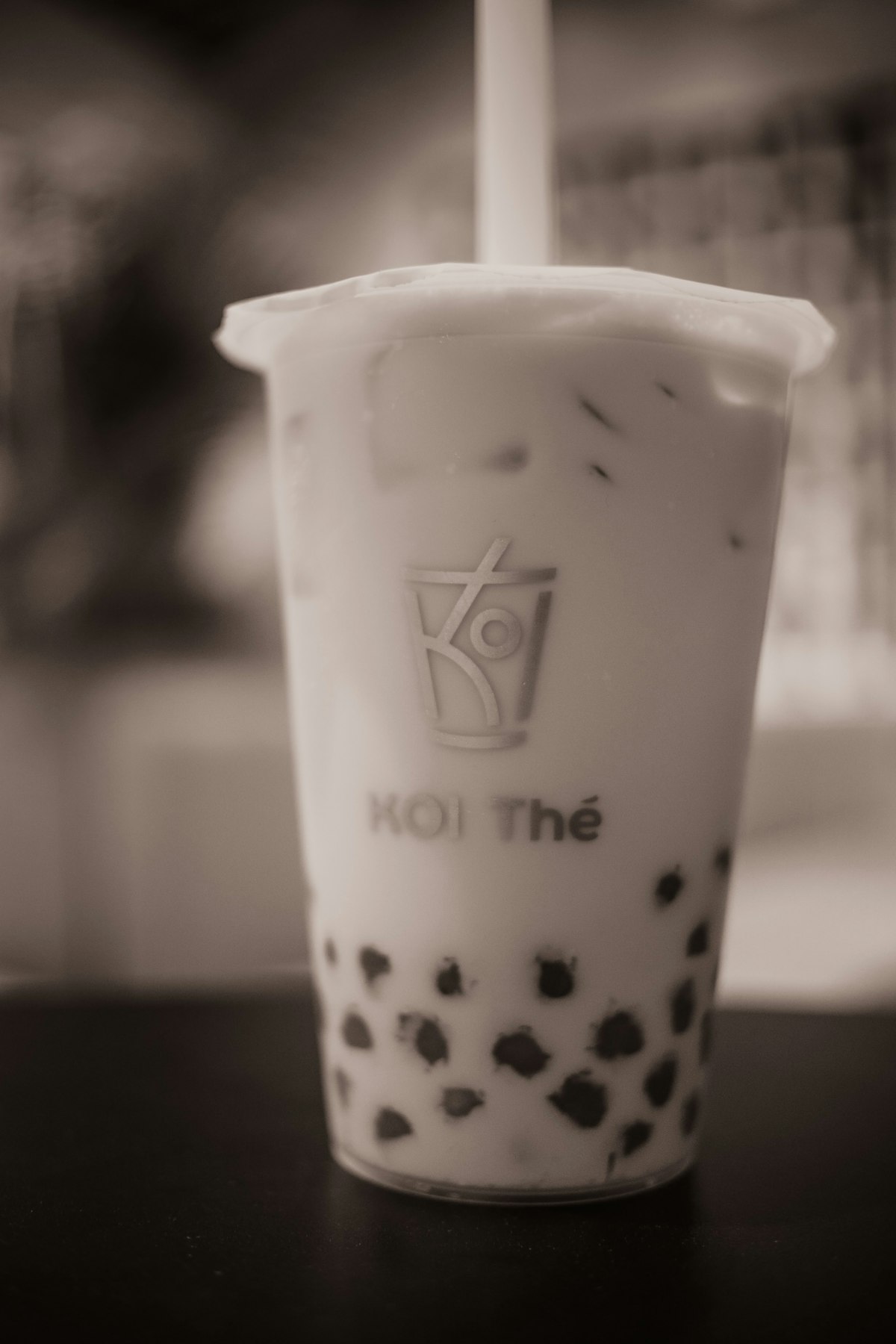
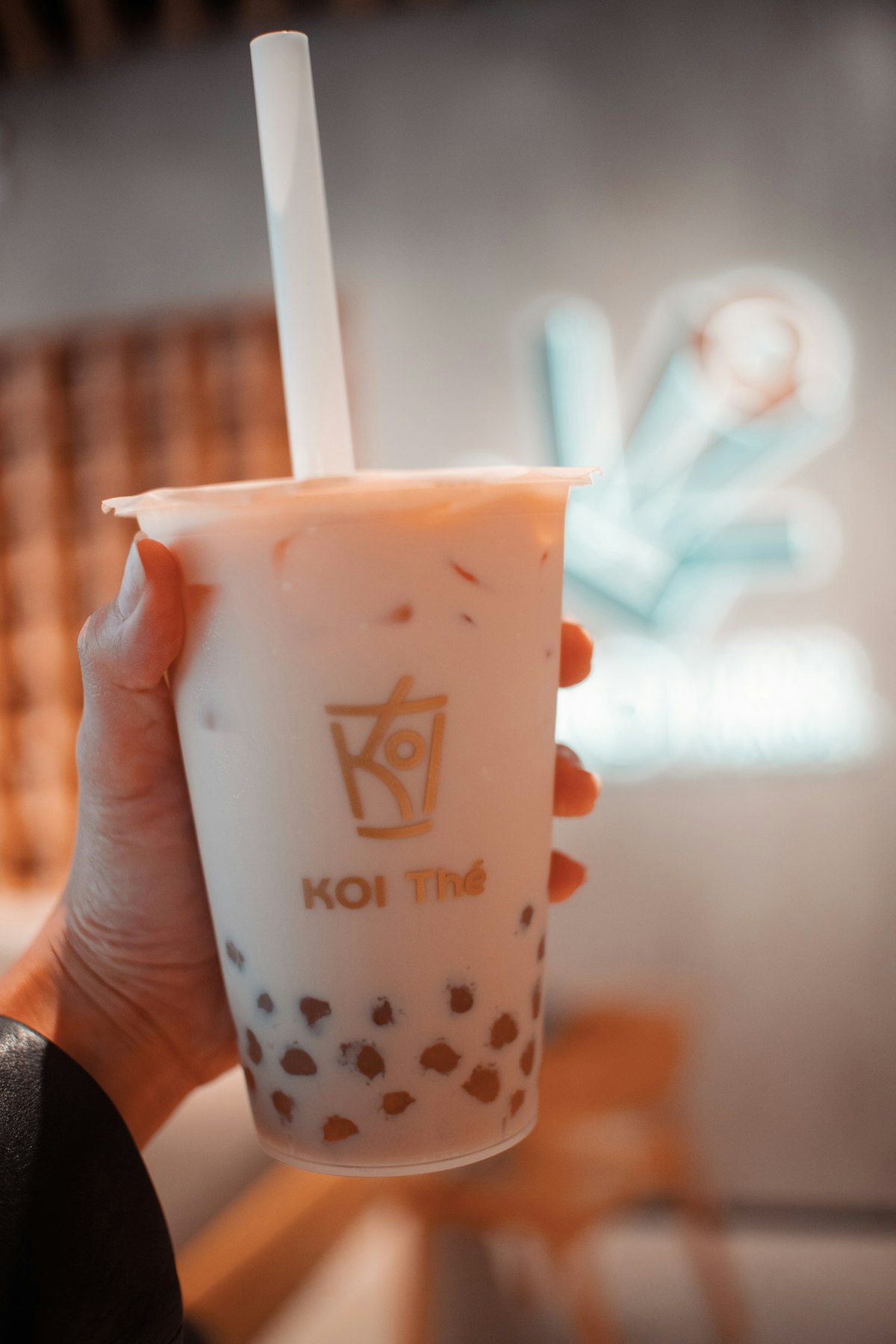
Thai tapioca starch export prices have climbed sharply through 2026, a run that matters far beyond Thailand's own factories since Thai-processed cassava starch is the base ingredient for most bubble tea pearls worldwide. The Thai Tapioca Starch Association's weekly FOB Bangkok price bulletin shows export prices at 480 US dollars per metric ton on January 6, 2026, rising to 525 US dollars per metric ton by March 31, and reaching 705 US dollars per metric ton on August 11, the most recent published figure. That is a 47 percent increase since January and a 34 percent increase since the end of March. Prices climbed steadily through spring, then plateaued at 700 US dollars per metric ton for six straight weeks from mid-June into late July, before ticking up again to 705 US dollars per metric ton in early August.
The run-up traces to a squeeze on raw cassava supply rather than a single event. Thai tapioca starch factories were running at only about 62 percent of production capacity in mid-January 2026 for lack of fresh cassava roots, according to Vietnamese starch trader NguyenStarch's market reporting, and the weeks that followed brought stricter Thai controls at the Laos and Cambodia border gates that reduced the flow of imported cassava into Thai processing. Demand has not eased to compensate: China, the largest buyer of tapioca starch for food, fermentation and animal feed use, kept importing at a high volume through the same period.
- Thai FOB Bangkok tapioca starch export prices rose from 480 US dollars per metric ton on January 6, 2026 to 705 US dollars per metric ton on August 11, up 47 percent.
- Thai factory utilization was around 62 percent in mid-January 2026 due to a shortage of fresh cassava roots.
- Thailand tightened cassava import controls at its Laos and Cambodia border crossings in late January 2026.
- Thailand remains the leading tapioca pearl exporter by volume, ahead of Vietnam, China and Indonesia.
What it means for the Gulf market
Gulf bubble tea operators do not grow cassava or process starch locally, so a Thailand-driven price run reaches them the same way it reaches every other importing market: through the cost of the pearls and starch bought in from Southeast Asian suppliers. The bubble tea supply chain's other major input, tea leaf, points toward the Gulf more directly. Sri Lankan tea exports to the UAE reached 18.32 million kilograms in 2025, up 3.3 percent from 17.73 million kilograms in 2024, and Sri Lanka's ambassador to the UAE, Dr. Arusha Cooray, told an Abu Dhabi Global Market gathering in June 2026 that exports to the UAE and the wider GCC region are expected to keep growing. Sri Lankan producers including Dilmah, Akbar Tea, Ahmad Tea, Eswaran Brothers and Stassen Tea used the event to court Gulf buyers directly.
Certification, not just shipping distance, shapes what reaches a Gulf tea counter on either ingredient. Halal compliance across the Gulf Cooperation Council runs on a shared regional GSO framework, but each member state layers its own national rules on top, and that framework has widened beyond meat products to cover processed, composite and animal-derived ingredients, according to regulatory intelligence firm ChemLinked. For a category like bubble tea, where syrups, creamers and pearl coatings can include animal-derived stabilizers, that wider scope means Gulf-bound shipments of both tapioca and tea increasingly need certification paperwork that a domestic-market shipment would not.
Background
Tea's path from bush to cup runs through two points where quality is effectively locked in for good, according to trade data platform Tridge. The first is the plucking standard: how mature the leaf is and whether it includes the bud and tip, since a coarse harvest cannot be corrected later in processing. The second is factory conversion, the sequence of withering, rolling or CTC cutting, oxidation and firing that turns raw leaf into a stable, tradeable commodity. Sri Lanka and India led global tea leaf export value in 2024, at 674 million and 667 million US dollars respectively. Unlike tapioca, tea does not travel refrigerated. What it needs instead is strict humidity control, since moisture and condensation, known in the trade as cargo sweat, can force a shipment to be repacked or written off entirely.
Tapioca's supply chain runs on a different logic, closer to commodity agriculture than tea's craft processing, which is part of why a cassava shortfall shows up in export prices as quickly as it has this year. Cassava root is bulky and perishable once harvested, so pearl and starch manufacturing clusters near the growing regions rather than near the end consumer, and factories cannot simply draw down stored inventory the way a packaged-goods maker might. Thailand's position as the leading tapioca pearl exporter by volume is exactly why its border and supply conditions move a global price.
Takeaway
A 47 percent jump in tapioca prices since January is a reminder that bubble tea's ingredients run through a small number of origin points: cassava processing concentrated in Thailand and its immediate neighbors, tea leaf concentrated in Sri Lanka and India, both funneled to importing markets like the Gulf under certification rules that keep tightening. When one of those origin points has a difficult season, as Thailand's cassava sector has in 2026, the effect travels the length of the bubble tea supply chain long before it reaches a menu board.
Sources
- Thai Tapioca Starch Association · Weekly Tapioca Starch Price (FOB Bangkok) · updated August 11, 2026
- NguyenStarch · Tapioca Starch Market and Price Report: Q1 2026 · February 20, 2026
- Tridge · Tapioca Pearl Market Overview · updated August 13, 2026
- Tridge · Loose-Leaf Tea Supply Chain Map · May 15, 2026
- Khaleej Times · Sri Lanka tea exports to UAE grow 3.3% to 18.32m kilograms in 2025 · June 11, 2026
- ChemLinked · Navigating Halal Food Certification Requirements in the Middle East · June 2, 2026