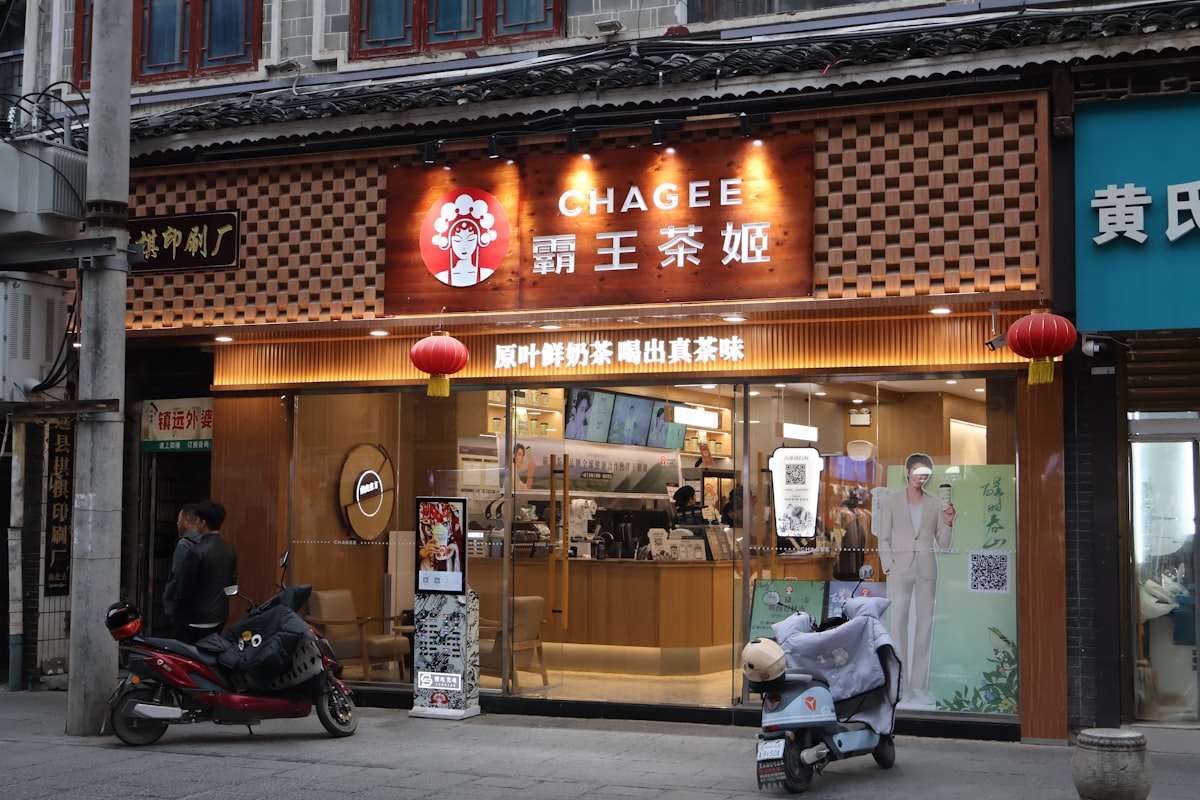
China's Bubble Tea Industry Slowdown Sparks a Hunt for New Categories
Key facts
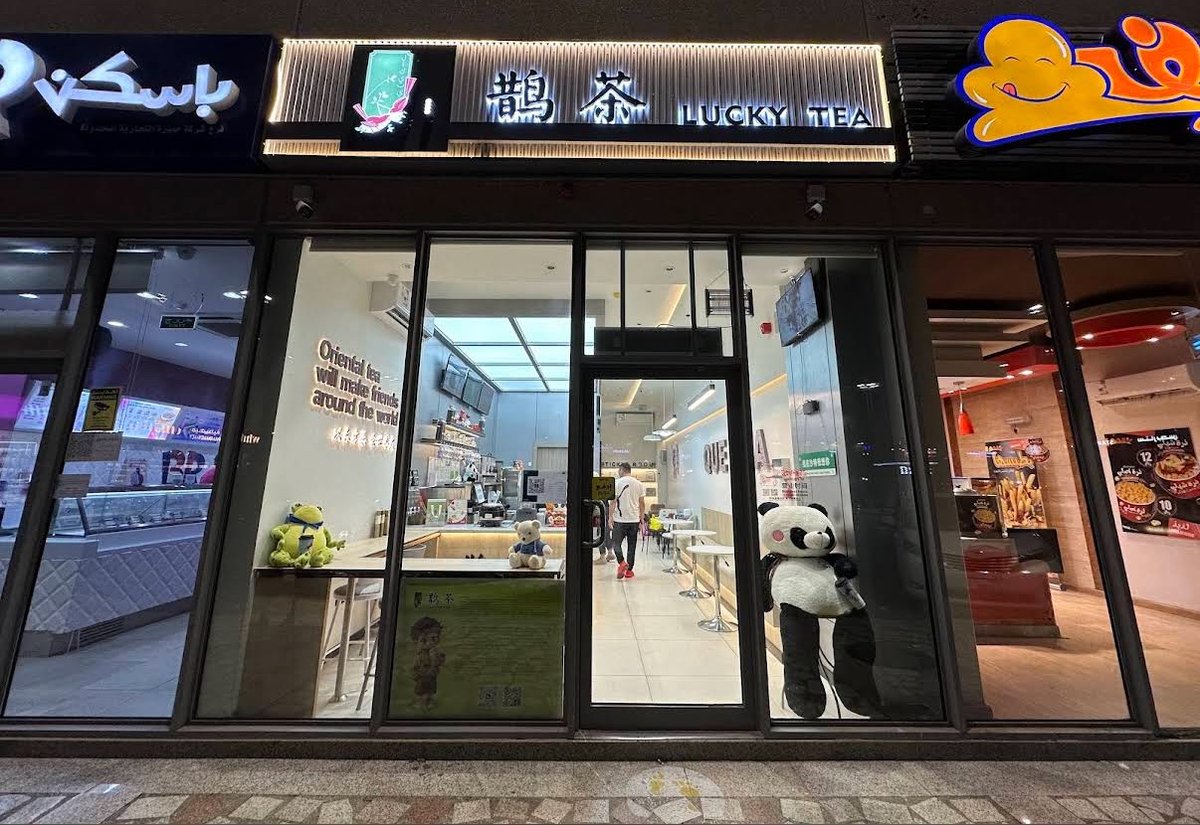
Riyadh's night cafe culture, cafes and terraces that stay busy well after dark, is filling in earlier and running later this week, as the city moves through what Arab News reported on July 17 is its hottest stretch of the year, a period local tradition calls the "date cooker," running from mid-July into early August. The National Center for Meteorology has advised residents to avoid direct sunlight during peak hours and to drink plenty of fluids to guard against heat stress and sunstroke. Gulf Insider reported on July 23 that the center's forecast puts maximum temperatures at up to 49 degrees Celsius across the eastern and southern Riyadh region through July 25, with 46 to 48 degrees expected across Makkah, Madinah and Qassim over the same days.
Separately, Cairo Scene reported on July 5 that Saudi Arabia's Ministry of Municipalities and Housing has removed 24-hour operating fees for a defined list of businesses, including hotels and resorts, pharmacies, fuel stations, automotive service centers, wedding halls, educational institutions and recreational rest houses. Businesses wanting to run between midnight and 5 a.m., inside or outside that list, still need approval through the Balady platform, and individual municipalities can now designate specific streets for round-the-clock operations.
What it means for Riyadh
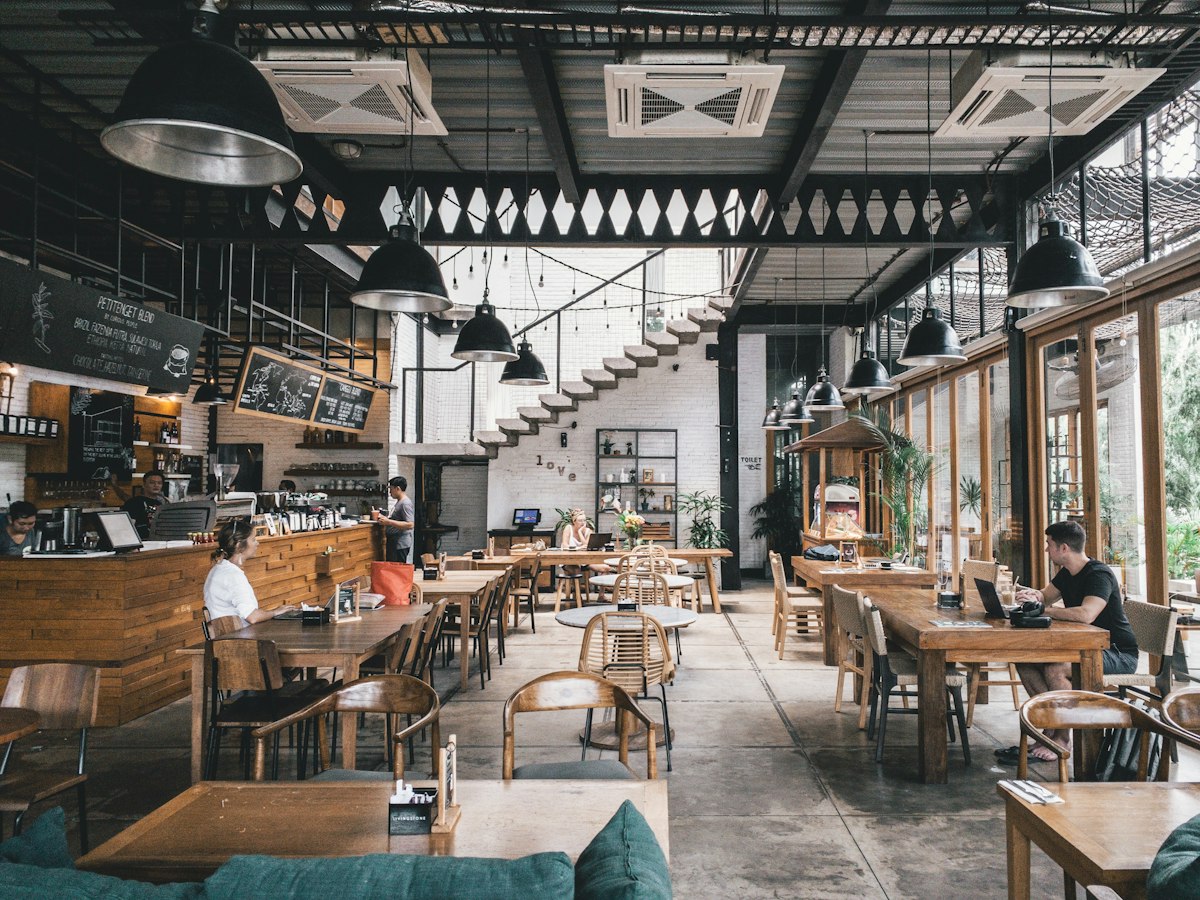
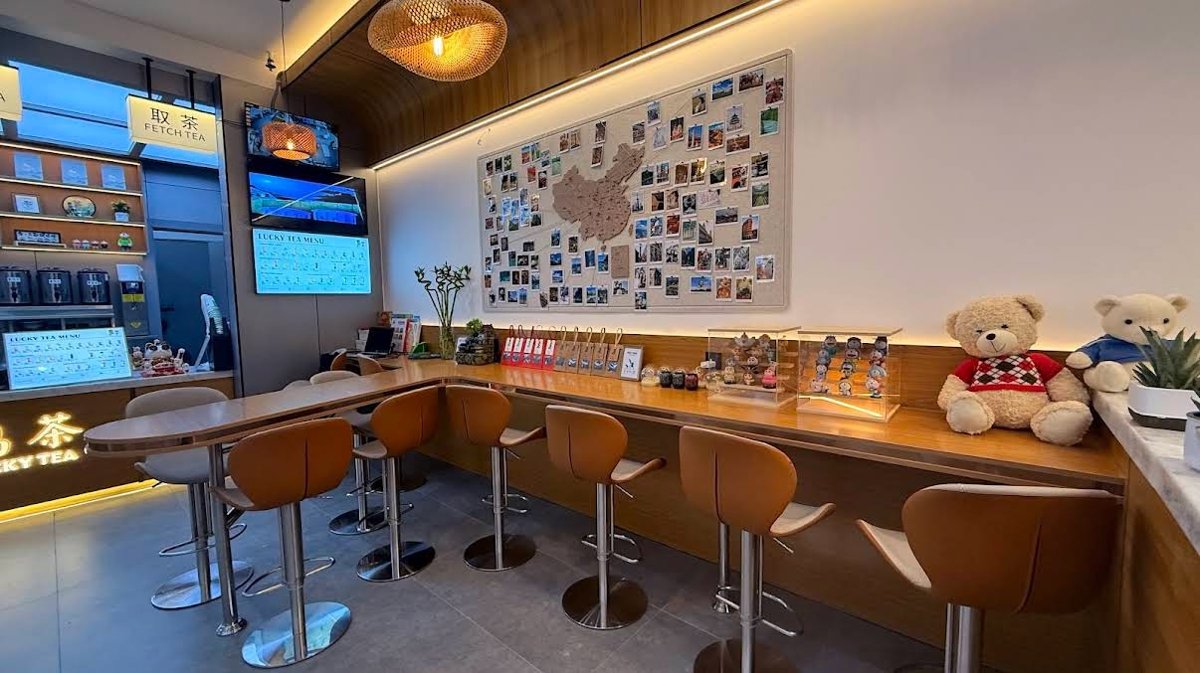
For a Riyadh resident, none of this is a surprise so much as a confirmation. Daytime plans give way to evening ones once the sun is down and the thermometer drops from the high 40s toward the high 20s, and cafes are one of the few spaces that work at any hour, air-conditioned, walkable from a car, and open long past the schedules that would apply in a cooler city. In practice, that means the same three kinds of Riyadh neighborhoods carry the pattern differently. In a residential, family-oriented district like Al Hamra, evening cafe visits tend to happen earlier and wind down at a reasonable hour once children are involved. Around a square like Ar Rabi in north Riyadh, the young-professional crowd tends to linger later, treating a table outside as an extension of the workday or the start of a night out. On a commercial street like the one running through the Al Hamadani area, the rhythm is shaped by weekday foot traffic rather than weekend leisure, with people stopping in between errands or after work rather than settling in for hours.
The new municipal fee exemption does not name cafes or restaurants directly, so it is not a blanket license for every coffee shop to run around the clock without cost. What it signals instead is a broader administrative effort to make round-the-clock operation less exceptional across the businesses Saudi residents actually use late at night, which is the same direction the country's cafe culture has been moving in on its own for years.
Background
Riyadh's shift toward a night-first summer schedule is not new, but this particular stretch of the calendar tends to sharpen it. The "date cooker" weeks, named for the effect the heat has on ripening dates, are recognized in Saudi tradition as the most demanding period of the year to be outside during daylight, and the National Center for Meteorology's advisories during this window carry more weight than a routine hot-weather notice. The municipal rule change reported this month builds on Saudi Arabia's wider push, tied to the Vision 2030 quality of life program, to formalize a night-time economy that residents have effectively already been running for years through cafes, malls and family outings that start after sunset.
What is verified is narrower than the trend it sits inside. The exemption list is specific, the temperature forecast is time-bound to a five-day window, and neither source claims the rule change was designed with cafes in mind. The connection worth drawing is simply that regulators are catching up to a pattern Riyadh's cafe-goers set long ago, when the day's heat made after-dark hours the ones that matter most.
Takeaway
The heat forecast for this week is specific and time-limited, and the municipal fee change applies to a defined list of sectors that does not include cafes by name. What connects them is a simple, verifiable fact: Riyadh's summer pushes normal life later into the evening, and the city's cafes, already built around that rhythm, remain one of the more reliable places to find it.