China's Bubble Tea Industry Slowdown Sparks a Hunt for New Categories
Key facts
The 2026 FIFA World Cup concluded this week in the United States, closing out the first 48-team tournament in the competition's history. Attention now turns to Saudi Arabia, confirmed by FIFA in December 2024 as sole host of the 2034 World Cup and the first country set to stage the 48-team format entirely on its own. Fifteen stadiums across five cities, Riyadh, Jeddah, Khobar, Neom and Abha, are planned for the tournament, with most venues newly built and several existing stadiums renovated for the occasion.
Riyadh's King Salman International Stadium, designed to hold roughly 92,000 spectators, is set to host both the opening match and the final. The project has moved from design into contractor prequalification, with completion targeted for 2029. According to Middle East Economic Digest, Saudi organizers are already studying lessons from the 2026 tournament, including ticket pricing structures and hotel demand patterns, as they finalize plans for 2034.
What it means for Riyadh
Riyadh will carry the heaviest share of the tournament, with eight of the fifteen stadiums located in or around the capital, including King Salman International Stadium, part of the King Abdulaziz Park masterplan in the city's north. For residents, that means years of visible construction ahead, alongside a parallel build-out in hotels and hospitality. Saudi World Cup planning envisions more than 230,000 hotel rooms nationwide, and tourism officials say the country's hotel capacity already meets FIFA's baseline requirement for the tournament. A new international airport on Riyadh's outskirts is also being built with World Cup era passenger volumes in mind, part of the same wave of infrastructure spending.
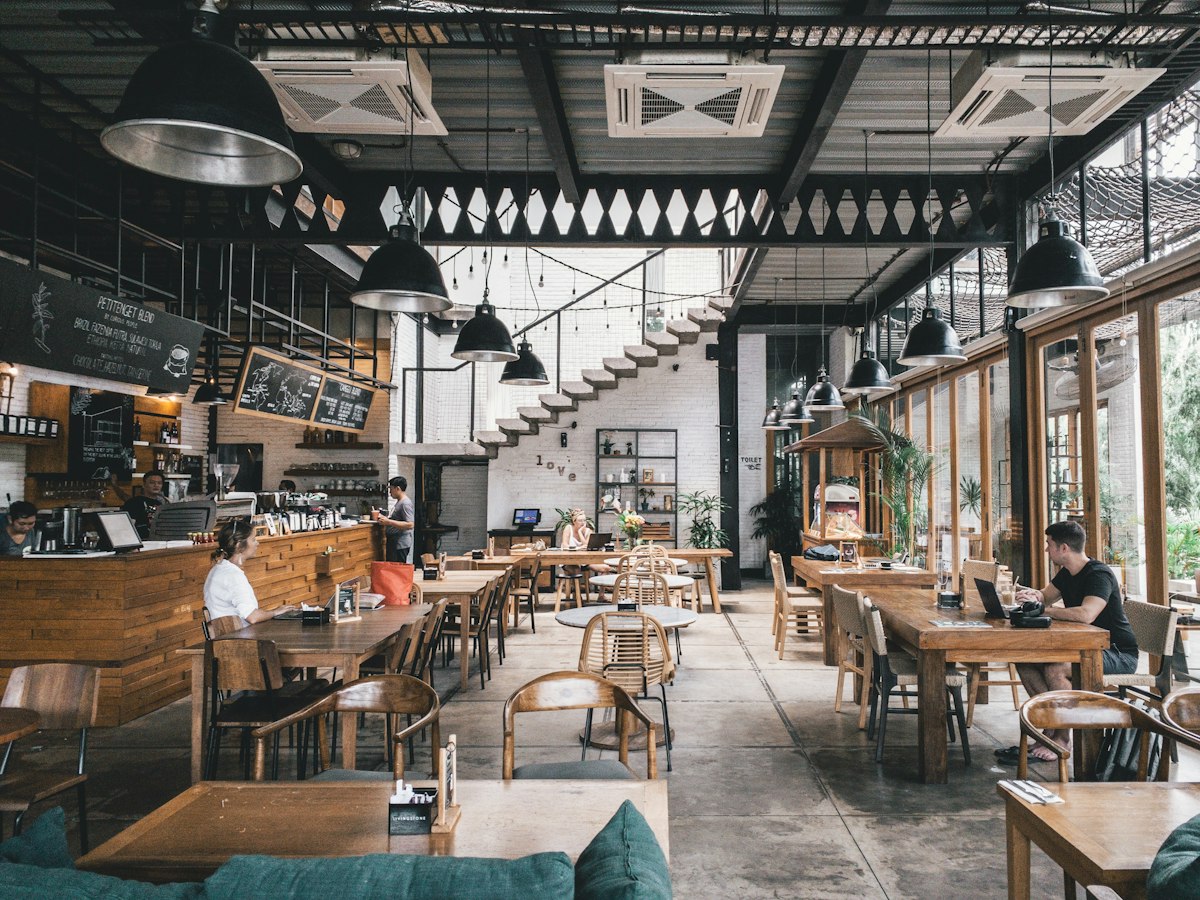
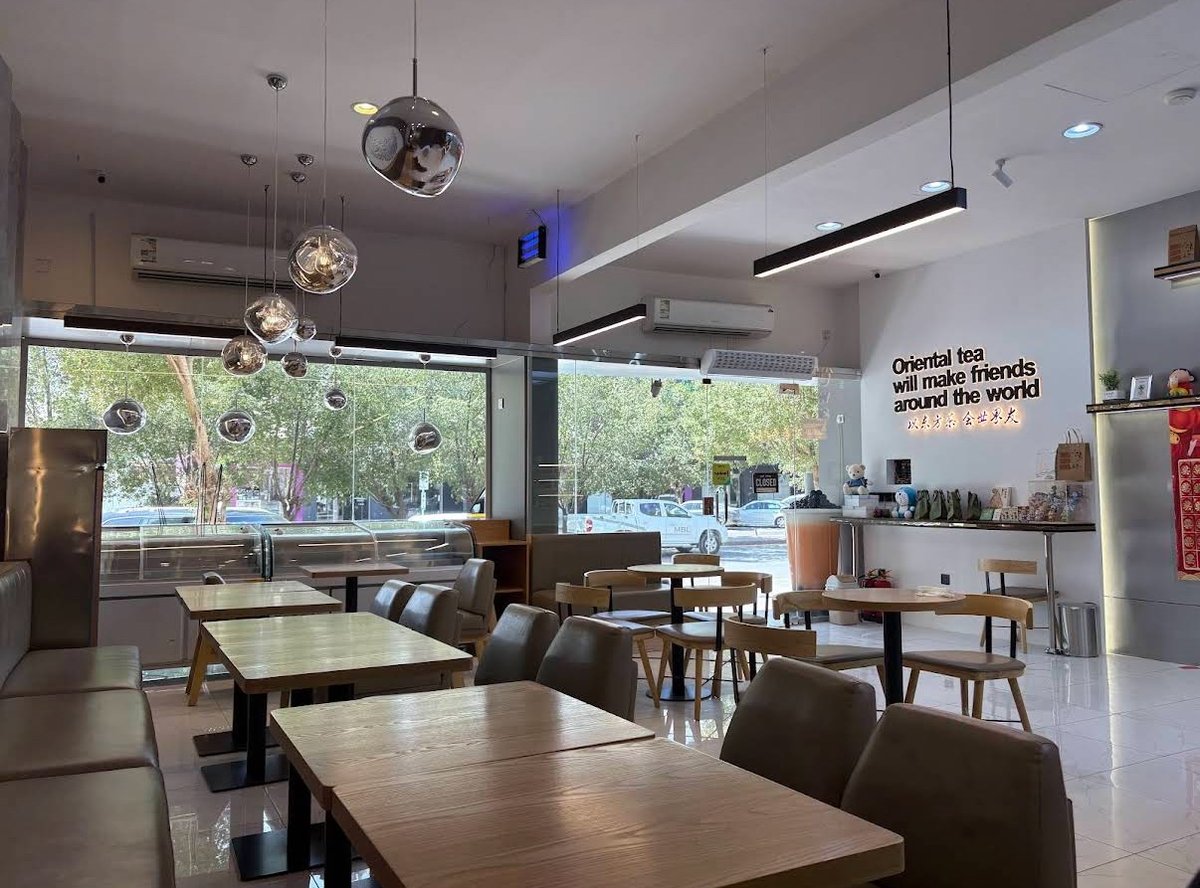
The everyday hospitality scene, cafes, tea houses and neighborhood gathering spots, will do quieter work alongside the stadiums. Riyadh's cafe culture has grown steadily in recent years, and districts such as Ar Rabi in the north, not far from the King Abdulaziz Park development, are already part of that expanding map. Long before the opening match, the city's cafes are where residents and early visitors alike will keep meeting.
Background
Saudi Arabia's bid moved forward as the sole candidate after Australia stepped back from a competing effort, and FIFA's Extraordinary Congress confirmed the Kingdom as host on December 11, 2024. The tournament sits inside the broader Vision 2030 program, which links major sporting events to goals for tourism growth, infrastructure investment and economic diversification away from oil. Riyadh has already hosted large-scale events under that program in recent years, from entertainment festivals to international conferences, a track record the Kingdom cites as experience for managing the crowds a World Cup will bring.
In June 2026, Sports Minister Prince Abdulaziz bin Turki Al-Faisal told Reuters that Saudi organizers were watching the 2026 tournament closely, particularly concerns over resale ticket prices in North America, and pledged to work with FIFA on accessibility for 2034. He also pointed to more than 150 international events the Kingdom has already hosted as evidence of its experience managing large crowds.
Takeaway
With the 2026 tournament now finished, Saudi Arabia's preparations for 2034 move from planning documents into visible construction, particularly around Riyadh's King Salman International Stadium. For residents, the next several years will bring steady change to the city's hotels, transport and hospitality scene, with the neighborhood cafe remaining, as ever, a fixed point amid the build-out.