China's Bubble Tea Industry Slowdown Sparks a Hunt for New Categories
Key facts
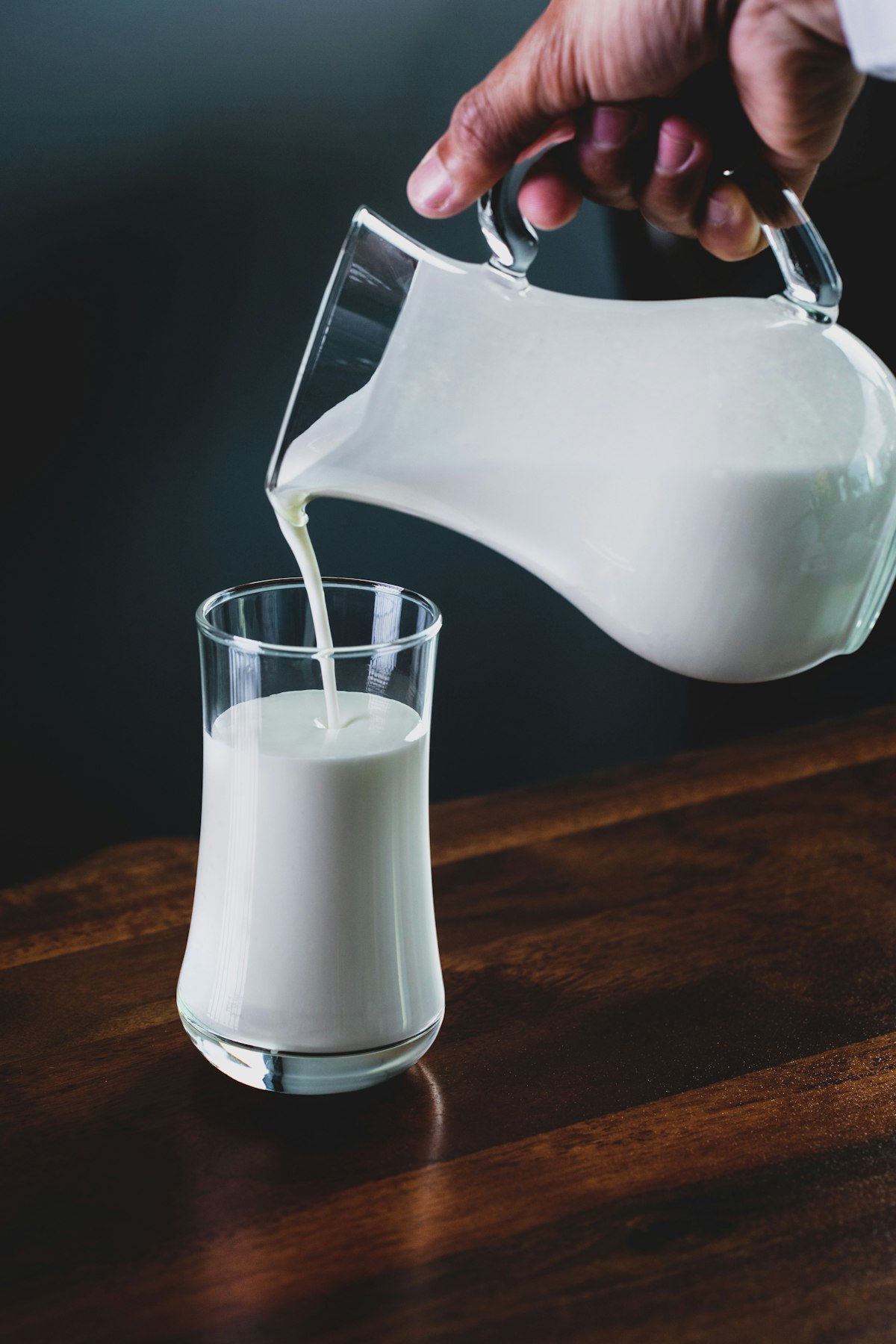
- Ordering oat milk tea in Riyadh used to mean asking the barista to check the fridge. Arab News reported on July 13, 2026, that Opinion, a cafe from Alkhobar now open on Tahlia Street, lists nine milk variations across its matcha and coffee menu, including plant-based options alongside dairy and vanilla.
- Saudi Arabia's dairy alternatives market was valued at 61.06 million US dollars in 2025 and is projected to reach 90.15 million US dollars by 2031, a compound annual growth rate of 6.71 percent, according to market research firm Mordor Intelligence. Non-dairy milk, the category that covers oat and almond milk, already accounts for roughly three-quarters of that total.
- The on-trade channel, meaning cafes, restaurants and specialty coffee shops rather than supermarket shelves, is projected to grow at a 6.78 percent compound annual rate through 2031, which Mordor Intelligence describes as a key growth engine for the category as more operators add non-dairy pours to their standard menus.
- Saudia Dairy and Foodstuff Company, known as SADAFCO, introduced Saudi Arabia's first locally produced oat milk in 2022, targeting health-conscious consumers between 18 and 30 and building local supply for a category once served almost entirely by imported cartons.
What it means for Riyadh
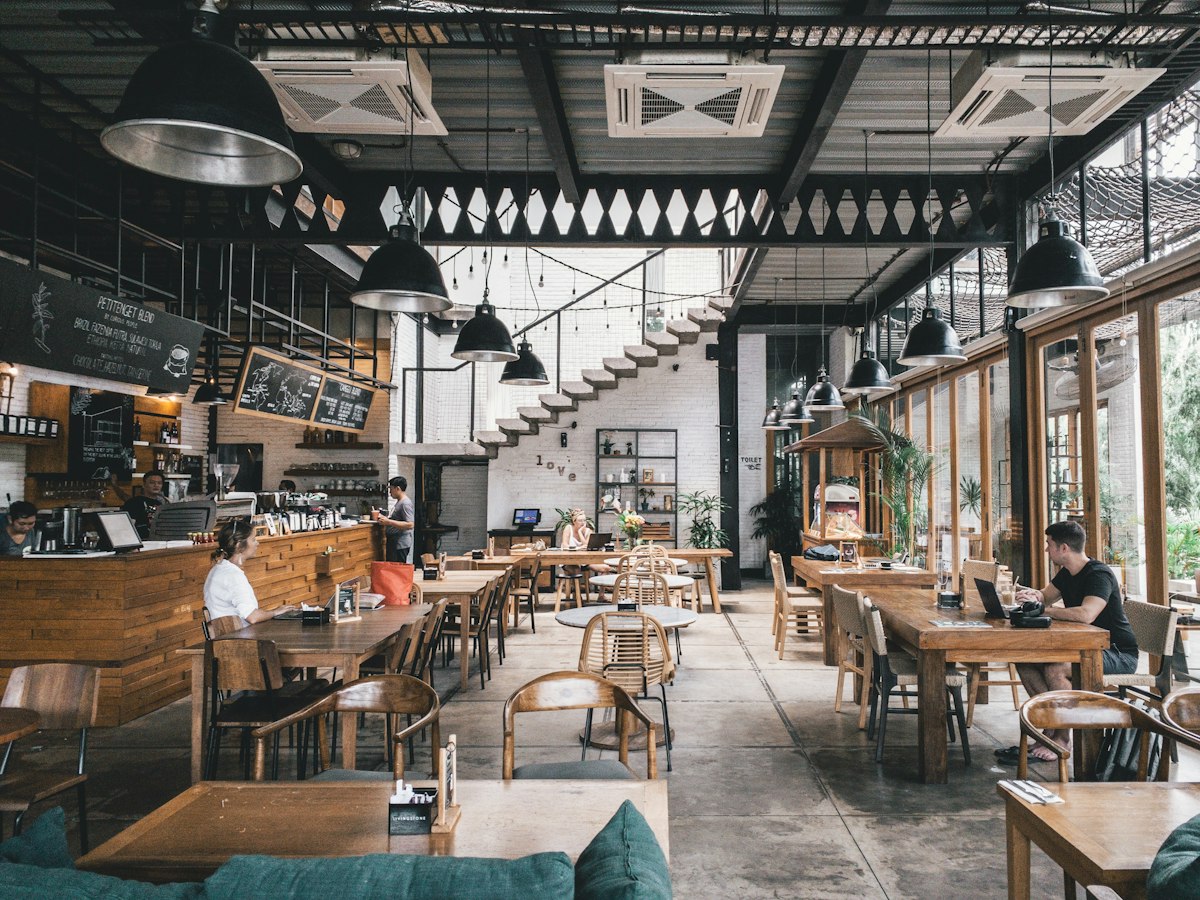
For years, oat milk tea in Riyadh was a special order, something a customer requested and a barista went looking for in the back fridge. That is changing. Cafes across the city, from Tahlia Street in Al Olaya to newer openings further out, increasingly treat oat and almond milk as a default line on the menu board rather than a note scribbled on a sticky pad. Matcha, iced coffee and milk tea drinks are the biggest beneficiaries, since all three depend on a milk base that can be swapped without changing the rest of the recipe.
The shift tracks a broader pattern in the city's food and beverage scene: a growing number of residents managing lactose sensitivity, or simply preferring a lighter, plant-based pour in their afternoon drink. Riyadh's specialty coffee boom, concentrated in districts such as Al Olaya, Ar Rabi and the commercial corridors that run through the city's east and center, gave cafe owners both the customer base and the competitive pressure to stock oat and almond milk alongside whole and skim.
That pressure now reaches beyond coffee counters. Neighborhoods built around a residential, family-oriented rhythm, like Al Hamra in east Riyadh, sit alongside younger professional hubs like Ar Rabi Square and busy weekday commercial streets such as Abdallah Ibn Soleiman Al Hamadani, and each carries a slightly different version of the same demand: customers who want their usual tea or coffee order, just without dairy.
Background
Oat milk's popularity is a global story that arrived in the Gulf later than it did in Europe or North America, where it overtook almond milk as the top-selling plant-based option years ago, largely because it steams and froths in a way that is closer to dairy. Saudi Arabia's version of that story has a clear starting point: SADAFCO's 2022 launch of the country's first locally produced oat milk, a product that until then had reached Saudi shelves almost entirely through imported cartons.
Vision 2030's broader push toward healthier, more diversified lifestyles has widened that opening. Specialty coffee culture has expanded quickly across Riyadh and Jeddah over the past several years, and with it a customer base more willing to ask for a non-dairy option as a matter of course rather than a special accommodation. Lactose intolerance, long under-discussed in the region, has also become a more open topic in Gulf food and health conversations, giving cafe operators a practical reason, not just a trend to chase, to keep oat and almond milk in stock.
Takeaway
What started as a coffee-counter substitution has spread to matcha and milk tea menus across Riyadh, following the same market growth that analysts expect to keep accelerating through the end of the decade. For residents, the practical result is simple: asking for oat or almond milk in a cup of tea is no longer an unusual request in most parts of the city, it is close to becoming the default.
Sources
- Arab News · Where We Are Going Today: Opinion · July 13, 2026
- Mordor Intelligence · Saudi Arabia Dairy Alternatives Market Size and Growth to 2031 · updated January 14, 2026
- SADAFCO · SADAFCO launches KSA's first locally produced Oat Milk · May 10, 2022
- Food Ingredients First · Middle East food and beverage trends: Mars Gulf and Yook reveal regional growth opportunities · January 29, 2026