China's Bubble Tea Industry Slowdown Sparks a Hunt for New Categories
Key facts
Riyadh summer hydration is a practical concern again this week, not just a seasonal talking point. Today's forecast puts the high near 109 Fahrenheit, about 43 Celsius, with overnight lows only easing to roughly 86 Fahrenheit, around 30 Celsius, and relative humidity as low as 11 percent under clear, hazy skies, according to live conditions and forecast data for the city. That pattern, very hot and very dry, is typical for Riyadh from June through August, the driest and hottest stretch of the year in the city's desert interior climate.
Saudi Arabia's Ministry of Health publishes standing summer guidance on exactly this kind of weather. It warns that extreme heat can have wide ranging physiological impacts and can worsen chronic conditions such as cardiovascular disease. The body normally cools itself by sweating, the ministry notes, but during extreme heat that alone may not be enough, which is how heat cramps, heat exhaustion, and in serious cases heatstroke develop.
The ministry's core advice is simple: drink plenty of fluids regardless of activity level, do not wait until feeling thirsty, and avoid sugary drinks. It flags older adults, infants and children, people who are obese, pregnant women, and anyone managing a chronic condition as facing higher risk in extreme heat, and recommends checking with a doctor on the right daily fluid amount for individual needs.
What it means for Riyadh
For residents moving between air-conditioned homes, cars, offices, and malls, the risk is easy to underestimate precisely because Riyadh's heat is dry rather than humid. With humidity in the single digits, sweat evaporates almost as soon as it appears, so the skin rarely feels damp even while the body is losing fluid steadily. That makes it easier to miss the early signs the Ministry of Health describes, and easier to reach for a headache remedy before recognizing mild dehydration for what it is.
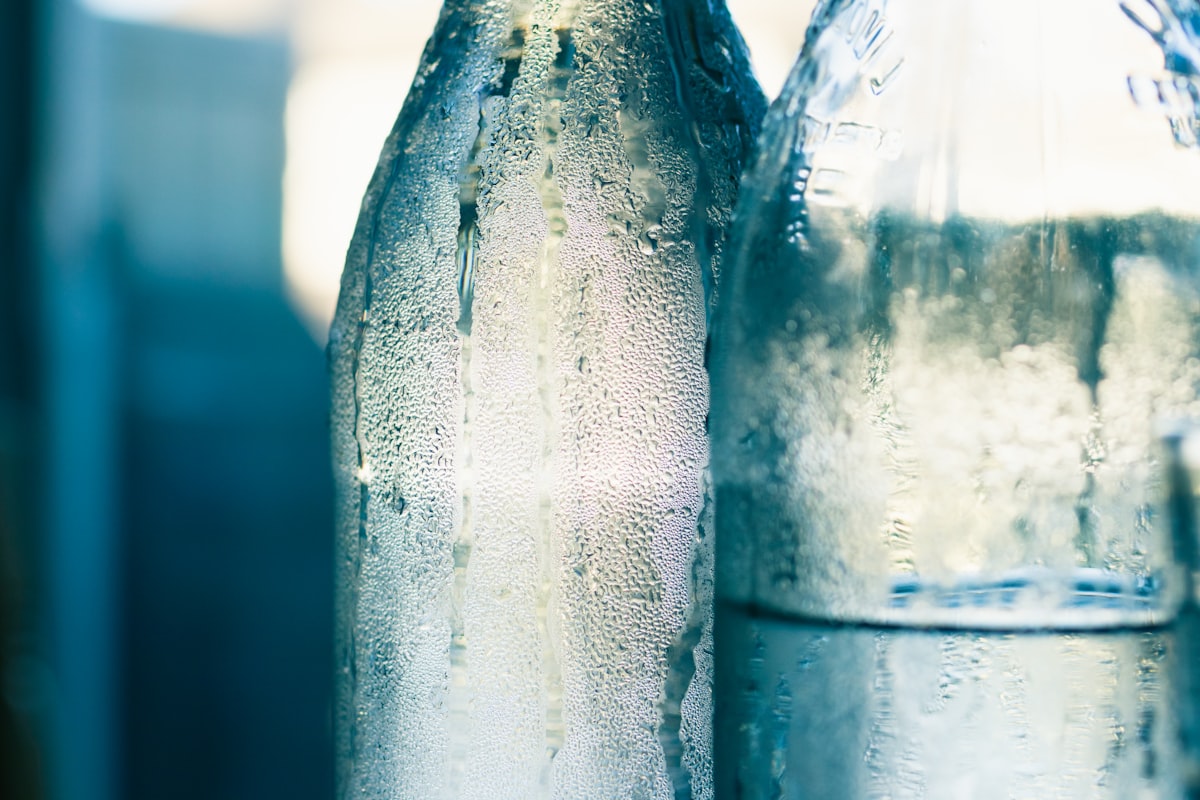
The practical response is the one the ministry already recommends: carry water through the day rather than treating it as an emergency measure, and keep drinking at a steady pace instead of a large amount all at once. Anyone with outdoor errands, a commute on foot between parking and a building entrance, a school run, or a job that involves time outside, drivers, delivery riders, gardeners, construction and maintenance crews, benefits from shifting that outdoor time earlier in the morning or later in the evening where the schedule allows, and from a few minutes of shade whenever it is available.
Households with young children or older relatives carry extra responsibility here. Children dehydrate faster than adults and may not reliably report thirst, while older adults can have a blunted thirst response even as their fluid needs stay the same. A quick check during the hottest hours, offering water rather than waiting to be asked, costs little and matches exactly what the ministry's guidance is aimed at preventing.
Background
Riyadh sits in the arid Najd plateau at the center of the Arabian Peninsula, far from any coastline, which is why its summers combine intense heat with very low humidity rather than the muggier conditions found along the Gulf coast. Rainfall in July is close to zero, and the dry air that makes evenings feel bearable after sunset is the same dry air that accelerates fluid loss during the day.
The Ministry of Health's heat and hydration guidance is not tied to a single event or announcement. It sits in the ministry's ongoing public health awareness material, reissued in relevance every year as the hottest months arrive, alongside separate, more intensive measures the ministry runs during Hajj season when large crowds and continuous outdoor movement raise the stakes further. The underlying advice for ordinary residents, though, stays the same across the summer months: fluids on a steady schedule, lighter clothing, sun protection, and caution during the hottest hours of the day.
Takeaway
Riyadh's summer heat is dry enough that thirst is a late warning sign rather than an early one, which is the main reason health guidance keeps repeating the same basic instruction: drink water on a schedule, not a reaction. Small habits, a bottle in the car, a refill before leaving the house, a glance at older relatives and children during the hottest hours, do more over a full summer than any single large glass of water after the fact.
Sources
- Saudi Ministry of Health · Summer Heat: heat exposure and hydration guidance · accessed July 2026
- Weather Underground · Riyadh, Saudi Arabia current conditions and forecast · July 11, 2026